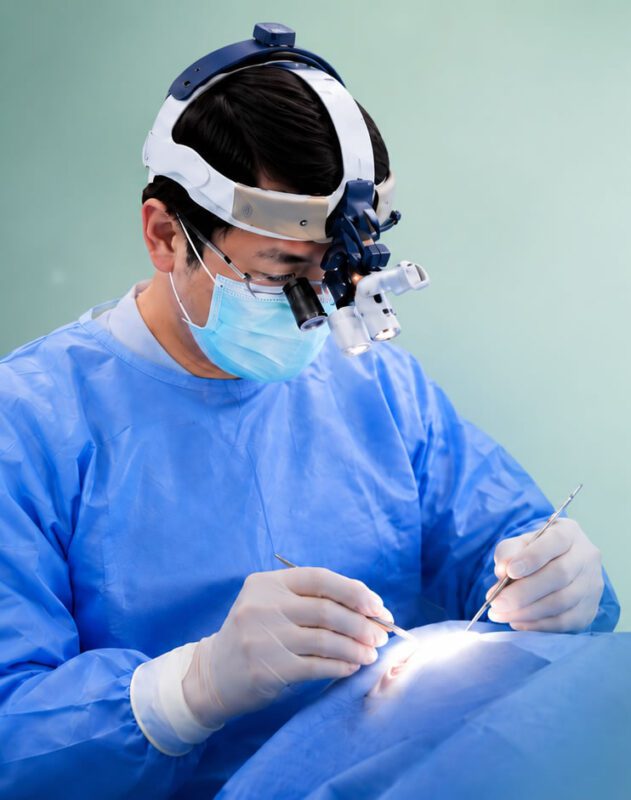
One side of the scrotum gradually becomes swollen and sore, walking rubs and sitting is uncomfortable, and there seems to be a firm, warm cord behind the testicle. This is a very common situation in urology clinics, and many of these cases turn out to be epididymitis.
Epididymitis is not rare, and most cases settle gradually with proper testing and treatment. However, its symptoms can resemble testicular torsion, an emergency where every minute counts. So the first step is not self-diagnosis but deciding: can this wait for a clinic visit, or do I need the emergency room now?
This article explains in plain language where the epididymis is, why it becomes inflamed, the common symptoms, how to tell it apart from torsion, which tests are done, the direction of treatment and home care, and when to see a doctor quickly. If your concern is testicular pain without a clear cause, see our article What causes testicular pain? first.
Key points: The epididymis is a coiled tube behind the testicle that stores and carries sperm; inflammation of it is epididymitis, and it often involves the testicle too (epididymo-orchitis). The usual cause is bacterial infection: in younger, sexually active men it is often linked to sexually transmitted infections; in older men it is more often linked to urinary tract infection, an enlarged prostate or poor bladder emptying. The typical picture is swelling and pain on one side that builds gradually over hours to days, sometimes with fever, painful urination, frequency or urethral discharge. Sudden, severe testicular pain, especially with nausea or vomiting, must be checked for torsion: go to the emergency room immediately rather than waiting at home. Treatment uses suitable medication chosen by your doctor, plus rest and scrotal elevation; finish the full course, and sexual partners may also need testing.
Where Is the Epididymis and What Is Epididymitis?
The epididymis sits along the back and top of the testicle as a tightly coiled tube. Sperm made in the testicle move into the epididymis to mature and be stored before travelling out through the vas deferens.
When bacteria or other causes make the epididymis inflamed and swollen, it is called epididymitis. If the inflammation spreads to the testicle, it is called epididymo-orchitis. By course, it can be divided into:
- Acute epididymitis: symptoms appear over a few days, with obvious swelling, pain and warmth. This is the most common form seen in clinic.
- Chronic epididymitis: pain or discomfort that recurs or lasts more than about three months, usually with little swelling; it is often assessed together with chronic scrotal pain.
Why Does Epididymitis Happen? Common Causes
The most common cause is bacteria travelling backwards from the urethra and prostate up to the epididymis. The usual source differs with age and circumstances:
- Sexually transmitted infections: in young, sexually active men it is often linked to chlamydia or gonorrhoea, sometimes preceded by urethritis symptoms.
- Urinary tract infection: in older men, or those with an enlarged prostate, poor urine flow, high residual urine or urethral stricture, bacteria in the urine more easily cause epididymitis.
- After urological procedures: it can occasionally follow a urinary catheter, cystoscopy or prostate procedure.
- Anal intercourse and similar contact: may be linked to bowel bacteria.
- Non-infectious causes: injury, strenuous exercise or heavy lifting, side effects of a few medications, and viral infection (for example mumps-related orchitis).
- Children: less common; when it occurs, doctors often check for structural abnormalities of the urinary tract.
What Are the Symptoms of Epididymitis?
- Pain on one side of the scrotum, usually worsening gradually over hours to days
- Scrotal swelling, redness and warmth; the epididymis behind the testicle feels swollen, firm and tender
- Pain that may spread to the groin or lower abdomen
- Fever, chills and general fatigue
- Painful urination, frequency, urgency, or discharge from the urethra
- Sometimes fluid collects in the scrotum, making the swelling look larger
Many people notice the pain eases when lying down with the scrotum supported, and worsens with walking or standing. This is common, but it cannot be used on its own to rule out testicular torsion.
How Is It Different From Testicular Torsion? When to Seek Care Immediately

Testicular torsion is when the testicle and spermatic cord twist and cut off blood flow. Delayed treatment can mean losing the testicle, so it is a urological emergency. It is most common in teenagers and young men, but can happen at any age.
In general, the differences are roughly as follows (for reference only; a doctor must examine you to decide):
| Comparison | Epididymitis | Testicular torsion |
|---|---|---|
| Onset | Builds gradually over hours to days | Often sudden and severe, may wake you from sleep |
| Other symptoms | Fever, painful urination, urethral discharge | Nausea, vomiting, lower abdominal pain |
| Appearance | Testicle roughly in normal position, swollen epididymis behind it | Testicle may sit high or lie horizontally |
| Management | Medication after clinic or ER assessment | Needs urgent surgery |
Go to the emergency room immediately if:
- The testicle suddenly becomes very painful, or the pain stops you walking
- There is nausea, vomiting or cold sweats
- A child or teenager has scrotal pain or swelling
- High fever that does not settle, shaking chills, or scrotal skin turning dark, leaking pus or the area spreading quickly
- Symptoms get worse despite medication, or a hard lump or fluctuant swelling appears (a possible abscess)
- You cannot pass urine at all
Better an unnecessary trip to the ER than waiting at home. If you are not sure whether it is torsion, treat it as an emergency.
What Tests Are Done for Epididymitis?
Doctors usually combine your history and examination with the following tests:
- History: how the pain began, how long it has lasted, fever, urinary symptoms, recent sexual activity and any urological procedures.
- Physical examination: position, firmness and tenderness of the testicle and epididymis, plus assessment of the groin and prostate.
- Urinalysis and urine culture: to look for infection and the likely bacteria.
- Tests for sexually transmitted infections: on urethral discharge or first-void urine, as appropriate.
- Scrotal ultrasound (with colour Doppler): shows swelling and blood flow in the epididymis and testicle; an important tool for telling epididymitis from torsion and checking for abscess or fluid.
- Blood tests: to assess inflammation when there is fever or more severe illness.
- For recurrent cases or older men, the doctor may further assess the prostate, bladder emptying and possible urethral stricture.
How Is Epididymitis Treated?
Treatment depends on the cause and severity:
- Bacterial infection: your doctor chooses suitable oral or injected medication based on age, likely source and test results. Finish the whole course as instructed, and do not stop on your own even if you feel better.
- Pain and inflammation relief: medication to ease pain and inflammation as your doctor advises.
- If sexually transmitted: sexual partners usually also need testing and treatment; avoid sex until treatment is finished and symptoms have gone, to prevent reinfection.
- Treating the underlying cause: such as an enlarged prostate, poor urine flow or urethral stricture, to reduce recurrence.
- Severe illness or complications: such as high fever, abscess or inability to eat may need hospital care; a few abscesses need drainage or surgery.
Most people feel the pain ease within a few days of starting treatment, but swelling and firmness can take weeks or longer to settle. If the swelling is not going down as expected, return for follow-up.
What Can I Do at Home?
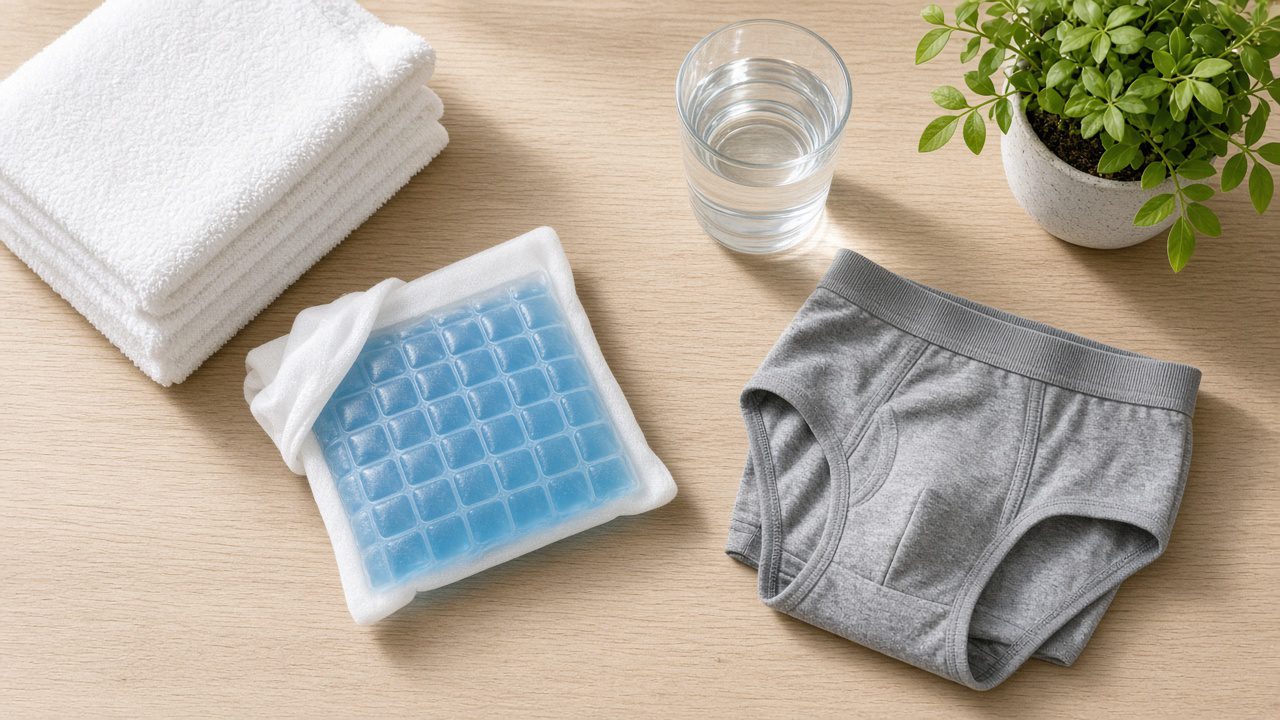
- Rest: avoid long periods standing, long walks, strenuous exercise and heavy lifting while inflamed.
- Elevate and support the scrotum: when lying down, place a small folded towel under the scrotum; in the day wear snug, supportive underwear.
- Cold packs: wrap an ice pack in a towel and apply for short periods to ease swelling and pain; do not put ice directly on the skin.
- Drink fluids: drink water regularly and do not hold urine.
- Pause sexual activity: until treatment is complete, symptoms are gone and your doctor confirms.
- Watch for changes: track temperature and pain, and see a doctor promptly if things get worse.
Can Epididymitis Affect Fertility? Can It Come Back?
Most acute epididymitis recovers with proper treatment and leaves no long-term problems. But with severe or repeated infection, or inflammation on both sides, a small number of people may develop blockage of the epididymis, testicular shrinkage or chronic pain, which can affect sperm transport.
If you are planning a family or have had repeated episodes, discuss follow-up with a urologist; see also our article on common causes of male infertility.
Preventing recurrence means safer sex (using a condom throughout), treating partners together, addressing problems such as poor urine flow, and seeing a doctor early when urinary infection symptoms appear.
Frequently Asked Questions
Waiting it out is not recommended. Epididymitis is usually linked to bacterial infection, and delay can let inflammation spread, form an abscess or turn into chronic pain. It can also look like testicular torsion, so it is best checked early by a urologist.
No. In younger, sexually active people it is more often linked to sexually transmitted infections; in older men it is often linked to urinary tract infection, an enlarged prostate or poor urine flow; injury and other non-infectious causes also occur. Testing is needed to tell, so there is no need to blame yourself or guess.
After treatment starts, pain usually eases over a few days, but swelling and firmness may take weeks to settle, and recovery speed varies. Attend follow-up visits, and tell your doctor quickly if symptoms do not improve or get worse.
If it is caused by a sexually transmitted infection, yes. Sexual partners usually also need testing and treatment, and sex should be avoided until both have finished treatment and symptoms are gone.
Generally, epididymitis builds over hours to days and may come with fever or painful urination, while torsion is often sudden severe pain with nausea and vomiting. But symptoms alone cannot reliably separate them. With sudden severe pain, go straight to the emergency room so a doctor can confirm with examination and ultrasound.
During acute inflammation with obvious redness, swelling, heat and pain, cold packs, rest and scrotal elevation are usually recommended. Whether warmth is suitable should be decided by your doctor.
Most people recover after treatment, and erections are generally not affected. A few severe or recurrent cases may affect sperm transport; if you are planning a family, discuss follow-up with your doctor.
Return or seek care promptly if you have a high fever that does not settle, pain or swelling that clearly worsens, scrotal skin turning dark or leaking pus, a fluctuant lump, inability to pass urine, or no improvement after several days of medication.
References
- CDC: Sexually Transmitted Infections Treatment Guidelines — Epididymitis
- European Association of Urology (EAU): Guidelines on Urological Infections
- Urology Care Foundation (AUA): Epididymitis
Further Reading
- What causes testicular pain? Common causes, tests and when to see a doctor
- What causes scrotal swelling? Lumps and hydrocele
- Urethritis: causes, symptoms and treatment
- What causes prostatitis?
- What causes painful urination?
- Low sperm count and common causes of male infertility
- What is gonorrhoea? (Chinese page)
Advice From Our Urologist
A painful, swollen scrotum is not something to endure or be embarrassed about. With early diagnosis and a completed course of treatment, most epididymitis recovers well; the real danger is mistaking torsion for inflammation and delaying at home. Remember one rule: sudden severe pain means the ER; gradual swelling and pain still means seeing a urologist soon.
If you have scrotal pain and swelling, recurrent epididymitis, or want to learn more about urinary and prostate problems, you are welcome to book an appointment for a detailed assessment.
This article is health education and cannot replace a face-to-face medical examination; diagnosis and treatment should follow your doctor’s assessment.