

The primary goal of anesthesia in surgical procedures is to eliminate pain and discomfort, enabling safe execution of surgery while allowing rapid return to baseline physiology. Every anesthetic method carries specific clinical considerations related to patient health (e.g., cardiovascular disease, pulmonary function, metabolic status) and procedure complexity. Thorough preoperative evaluation and careful selection of anesthetic modality are essential for optimal safety.
For male urogenital procedures involving the foreskin, penis, scrotum, testes, epididymis, and vas deferens, our clinic employs innovative Dual Local Anesthesia, combining targeted nerve blockade and tissue infiltration to achieve prolonged pain relief, reduced systemic risks, and immediate same-day discharge.
Innovative Dual Local Anesthesia (Clinic Specialty)
Standard local anesthesia typically provides 30 to 60 minutes of pain control. While simple and safe with minimal physiological impact, standard approaches may be constrained by shorter operational windows.
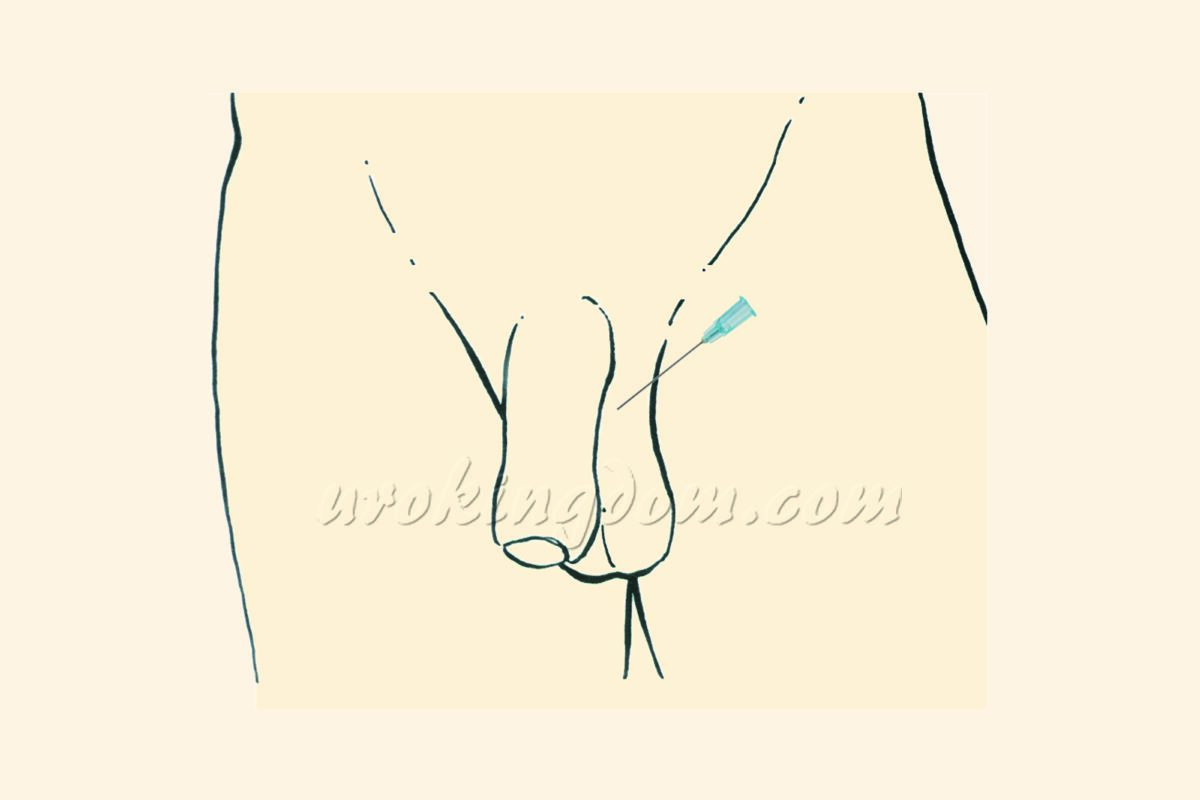
Our Dual Local Anesthesia integrates precise regional nerve blockade with infiltration using a dilute lidocaine solution containing micro-dosed epinephrine (Figure 1). This protocol safely extends effective anesthesia duration to 4 to 6 hours, granting the surgeon ample time to perform meticulous microsurgical dissection without haste.
Under Dual Local Anesthesia, patients remain fully conscious and comfortable, with negligible pain, and can comfortably browse their smartphones or listen to music with Bluetooth headphones (Figure 2). Because there is no systemic depression of airway or cardiovascular reflexes, patients do not require hospital admission or prolonged observation and can walk home independently shortly after surgery.

Comparative Anesthetic Modalities
Spinal Anesthesia
Spinal anesthesia involves injecting local anesthetic into the subarachnoid space via lumbar puncture (Figure 3), blocking sensation in the lower abdomen and extremities. While effective, it requires 6 to 8 hours of strict flat bed rest postoperatively, carries potential risks of urinary retention, and may cause post-dural puncture headache (spinal headache) if cerebrospinal fluid leaks.
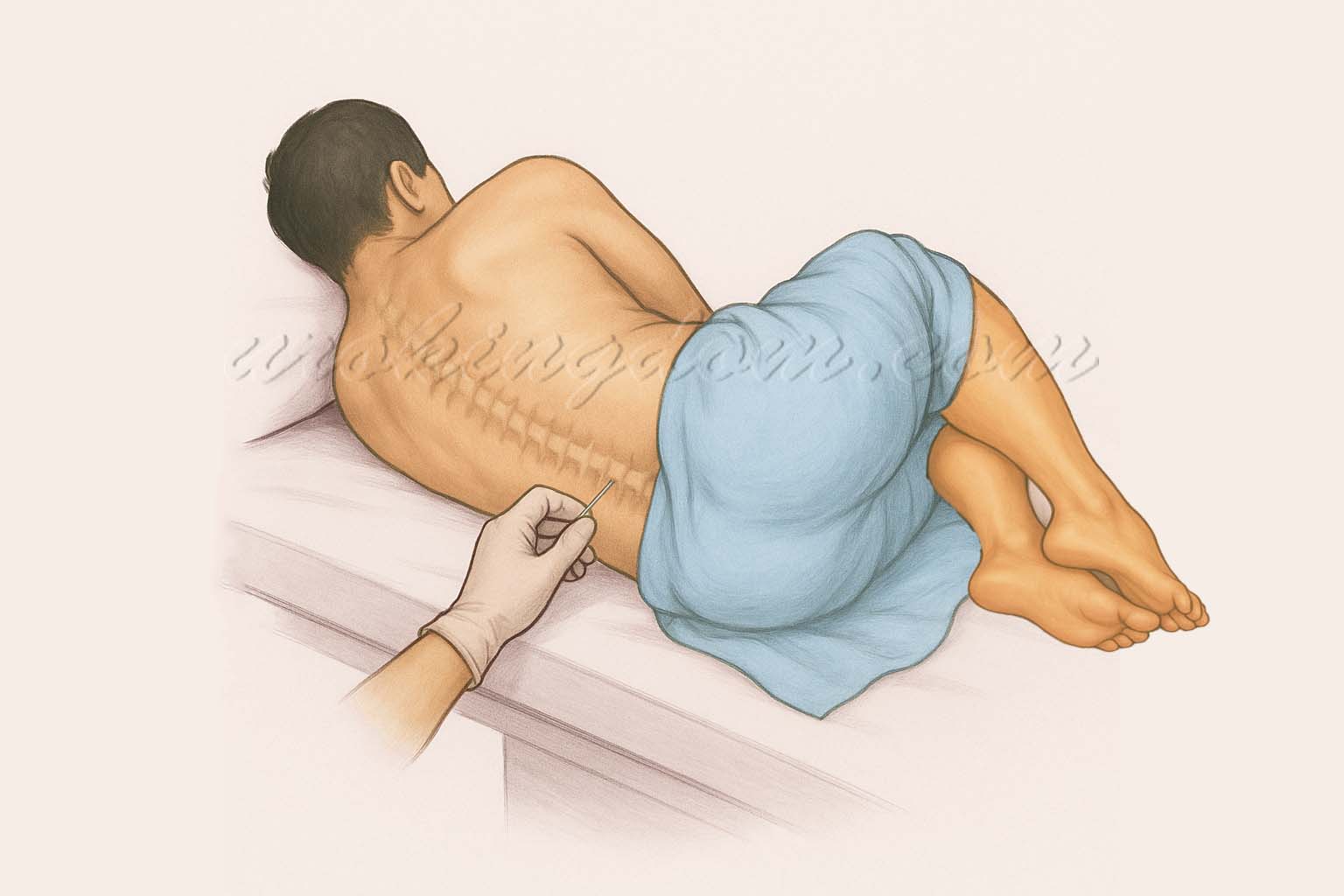
Figure 3: Spinal anesthesia requires lumbar puncture, lower body motor blockade, and mandatory post-operative bed rest to prevent spinal headaches.
General Anesthesia & IV Sedation
General anesthesia induces unconsciousness through inhaled gases or intravenous agents. Intravenous sedation (“twilight sleep”) utilizes IV sedatives with supplemental oxygen (Figure 4). While recovery is quicker than full intubation, prolonged sedation carries airway compromise risks and requires monitored recovery. Endotracheal general anesthesia (ETGA) places an endotracheal tube in the airway (Figure 5) with mechanical ventilation, which involves greater physiological impact and potential post-op throat discomfort, nausea, or dizziness.

Figure 4: Intravenous sedation (“twilight sleep”) delivers IV agents with oxygen mask monitoring for short procedures.

Figure 5: Endotracheal intubation with ventilator support for major inpatient surgeries.
Summary
Innovative Dual Local Anesthesia provides precise, localized pain control without affecting cardiopulmonary stability, enabling outstanding safety and true same-day outpatient recovery. An individualized preoperative assessment ensures that the most appropriate anesthetic approach is chosen for every patient.
Academic Publications
- Hsu GL, Hsieh CH, Chen HS, et al. The advancement of pure local anesthesia for penile surgeries: can an outpatient basis be sustainable? Journal of Andrology. 28(1):200-205, 2007.
- Hsu GL, Hsieh CH, Wen HS, et al. Outpatient surgery for penile venous patch with the patient under local anesthesia. Journal of Andrology. 24(1):35-39, 2003.
- Hsu GL, Hsieh CH, Wen HS, et al. Outpatient penile implantation with the patient under a novel method of crural block. International Journal of Andrology. 27:147-151, 2004.
- Hsu GL, Zaid UX, Hsieh CH, Huang SJ. Acupuncture assisted local anesthesia for penile surgeries. Translational Andrology and Urology. 2(4):291-300, 2013.