Erectile dysfunction (ED) is very common and can often be an early indicator of overall health conditions. Identifying the root cause helps determine the right treatment—from oral medications and shockwave therapy to microsurgical options, personalized for you.
Erectile issues often result from multiple interrelated factors. A thorough evaluation helps identify the primary underlying cause.
Stress, anxiety, depression, performance anxiety and relationship issues. Psychological and physical factors frequently coexist.
Arterial insufficiency, cavernous fibrosis and venous leakage—vascular conditions are among the most common physical causes.
Diabetic neuropathy, spinal cord conditions, history of pelvic or prostate surgery, and prior pelvic radiation therapy.
Low testosterone (andropause), thyroid irregularities or other endocrine conditions.
Peyronie’s disease, penile curvature or phimosis, which can be assessed and addressed simultaneously.
Certain antihypertensives or antidepressants; smoking, excessive alcohol consumption, obesity and chronic metabolic conditions.
Rather than enduring symptoms silently, consider evaluation as an opportunity to review overall vascular and metabolic health.
Sexual function often mirrors overall vascular health; early evaluation helps clarify causes and prevents progression.
No single treatment is suitable for everyone. Generally, conservative and non-invasive methods are considered first, progressing to advanced or combined therapies if needed.
| Treatment Modality | Overview | Indications |
|---|---|---|
| Psychological / Behavioral Therapy | Addresses anxiety, stress and depression, occasionally combined with short-term medication to restore confidence. | Primary psychological causes or integrated with physical care |
| Oral Medications (PDE5 Inhibitors) | Enhance penile blood flow during stimulation; widely used first-line medical therapy. | Initial choice for most mild-to-moderate cases |
| Hormone Replacement Therapy | Testosterone supplementation when deficiency is confirmed by laboratory blood tests. | Patients with clinically verified hypogonadism |
| Low-Intensity Shockwave Therapy | Non-invasive therapy aimed at stimulating angiogenesis and improving microvascular blood flow. | Vascular ED and patients seeking non-invasive options |
| Intracavernous Injections | Medication injected directly into the corpora cavernosa for rapid effect; requires proper training. | When oral medications provide insufficient response |
| Vacuum Erection Devices | Non-invasive mechanical aids utilizing negative pressure and constriction rings. | When medications are contraindicated or as an adjunctive method |
| Penile Venous Ligation Surgery | Microsurgical procedure to address proven venous leakage and reduce venous outflow. | Patients with cavernous venous leakage confirmed by cavernosography |
| Penile Prosthesis Implantation | Surgical option for severe or treatment-resistant ED, which can also correct coexisting curvature. | When other therapies are ineffective after complete evaluation |
Suitability for each treatment varies by individual and requires clinical evaluation by a physician. This table is for informational purposes and does not guarantee results.
Detailed medical and sexual history using validated clinical questionnaires (e.g., IIEF-5/SHIM, EHS).
Targeted physical examination and blood tests for blood glucose, lipid profile and serum testosterone.
Penile color Doppler ultrasound; cavernosography if venous leakage is suspected.
Formulating an individualized care plan based on diagnostic findings, severity and patient preference.
The latest articles, topics and tags on this subject for further reading. Content is for general reference; individual conditions require an in-person evaluation by a physician.
Dr. Cheng-Hsing Hsieh has extensive experience in microsurgical procedures including penile venous surgery and penile implants, personally overseeing evaluation, treatment and follow-up.
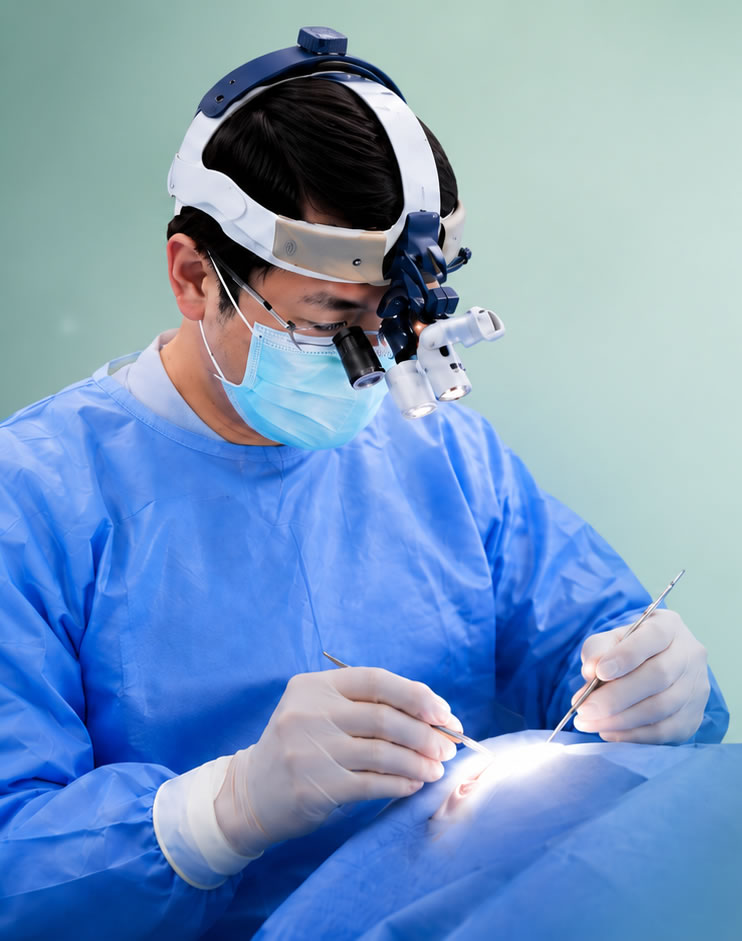
Clinic Director · Attending Urologist
Yes. Lack of response to oral medications does not mean treatment cannot proceed. Many patients have underlying venous leakage or vascular issues that may respond to shockwave therapy, injections or venous ligation surgery after careful diagnosis.
Moderate masturbation does not cause permanent erectile dysfunction, and there is no scientific evidence linking it to physical damage. Persistent ED is typically linked to vascular, metabolic, neurological or psychological factors that warrant evaluation.
It can be. Erectile difficulties often correlate with vascular conditions such as early cardiovascular disease, hypertension or diabetes. Seeking timely medical advice helps protect both sexual and general health.
No. Surgery is reserved for specific clinical indications (such as confirmed venous leakage) or when conservative treatments are ineffective. Most patients start with non-invasive therapies.
本頁內容為疾病衛教資訊,非藥品或醫療廣告,無法取代醫師的診斷與治療。每個人的狀況不同,實際檢查與治療方式,請預約門診由醫師當面評估。
Consult directly with Dr. Cheng-Hsing Hsieh. Online booking is not available for same-day visits.