Prostatitis, sometimes called prostate inflammation, means the prostate is inflamed, and it is not always caused by bacteria. The prostate is a gland below the bladder that surrounds the urethra and makes part of the semen, so when it is inflamed, urination, pain and ejaculation are often affected together.
Many men see a doctor because of aching in the perineum, a dull ache in the lower belly, frequent urination or burning when passing urine. Others simply feel long-lasting discomfort in the pelvic area that gets worse after sitting for a long time, and they have been checked several times without a clear explanation. These are all common problems with prostatitis.
There are different types of prostatitis, and the way each is handled is very different. This article covers the types, common causes, tests, and when to get care quickly. If your main problem is a weak or slow urine stream, you may also read about enlarged prostate, which has some similar symptoms but a different cause.
Key points: Prostatitis is inflammation of the prostate. Common symptoms include pain in the perineum, lower belly, penis or around the testicles, together with frequent urination, burning when passing urine, a weak stream and painful ejaculation. Acute bacterial prostatitis often comes with fever and chills and is an infection that needs prompt care. Chronic prostatitis (chronic pelvic pain syndrome) usually has no bacterial infection, and symptoms can come and go, so it needs long-term management. If you cannot pass urine at all, have fever and chills, or symptoms have not improved after taking antibiotics, seek care quickly.
What Is Prostatitis? Symptoms of Prostate Inflammation
Common symptoms of prostatitis include stinging or burning when passing urine, difficulty starting or a stream that stops and starts, frequent urination, and pain in the penis, scrotum, testicles or perineum (the area between the scrotum and the anus). Some men also have pain during or after ejaculation, and an acute infection can cause fever.
If you also have clear discomfort with ejaculation, see painful ejaculation; if burning when passing urine is the main problem, see painful urination; and for frequent urination or getting up at night to pass urine, see frequent urination and nocturia.
What types of prostatitis are there?
Prostatitis is usually divided into four types. Acute bacterial prostatitis starts suddenly with clear symptoms, often with fever and chills. Chronic bacterial prostatitis has milder symptoms but can last for months and often comes back. Chronic prostatitis / chronic pelvic pain syndrome is common but harder to pin down, and usually has no bacterial infection. Asymptomatic inflammatory prostatitis has no symptoms, is mostly found by chance when other problems are checked, and usually needs no treatment.
What is the difference between prostatitis and an enlarged prostate?
Prostatitis is inflammation. It is common in young and middle-aged men and often comes with pain. An enlarged prostate means the gland grows with age and presses on the urethra, mainly causing a slower stream, frequent urination and getting up at night. The two can exist together, and a doctor needs to examine you to tell them apart.
What Causes Prostatitis and Pelvic Pain?
Acute and chronic bacterial prostatitis are caused by a bacterial infection of the prostate. A common route is bacteria moving from the urethra into the prostate, or an association with urinary tract infections or urine flowing backwards. Repeated or hard-to-treat urinary tract infections can develop into chronic bacterial prostatitis.
The exact cause of chronic prostatitis / chronic pelvic pain syndrome is not clear. It may be related to irritation from chemicals in the urine, an immune reaction after an earlier urinary tract infection, damage to pelvic nerves, problems with the pelvic floor muscles, and psychological stress, and it is not necessarily caused by bacteria.
Can sitting for long periods, holding urine or cycling cause prostatitis?
These habits may increase pressure in the pelvic area or urine backflow and may be linked to worse symptoms, but there is currently no evidence that any of them is the single cause. It is best to avoid sitting for long periods and holding urine, and if symptoms keep coming back, tell your doctor about your daily habits.
| Type | Common causes | Common features |
|---|---|---|
| Acute bacterial prostatitis | Bacterial infection, often linked to a urinary tract infection | Sudden onset, fever and chills, burning when passing urine, frequent urination, may be unable to pass urine |
| Chronic bacterial prostatitis | Repeated or incompletely treated bacterial infection | Milder symptoms that can last for months and often return |
| Chronic prostatitis / chronic pelvic pain syndrome | Cause unknown; may be linked to urine irritation, immune reaction, nerves or pelvic floor muscles, and stress | Pain in the perineum, lower belly or genitals for more than three months, possibly with frequent urination and painful ejaculation |
| Asymptomatic inflammatory prostatitis | Found by chance when other problems are checked | No symptoms; usually needs no treatment |
What Tests Are Done for Prostatitis?
The doctor will ask where the pain is and how long it has lasted, about urinary and ejaculation symptoms, whether you have had a fever, past urinary tract infections and how they were treated, and your daily habits, and will carry out a physical examination. Many symptoms look like other conditions, so the doctor usually needs to rule out other causes before making a diagnosis.
History, physical examination and digital rectal examination
The doctor checks whether there is discharge from the urethral opening, the lymph nodes in the groin and whether the scrotum is swollen or tender, and does a digital rectal examination to feel whether the prostate is enlarged or tender. It is usually done in the clinic without anesthesia and causes only brief discomfort.
Urine and semen tests
Urine tests and a urine culture can show whether there is a bacterial infection; in chronic prostatitis the urine culture often finds no bacteria. A semen test may also be arranged if needed to see whether the semen shows signs of inflammation. The doctor may also use a symptom questionnaire to follow severity and response to treatment.
If symptoms are not typical, the doctor will also rule out other possibilities, including cystitis, an enlarged prostate and prostate cancer, and may arrange an ultrasound or other tests if needed.
| Test | Main purpose | Possible limits |
|---|---|---|
| History and symptom questionnaire | Understand where the pain is, urinary and ejaculation symptoms, and follow severity | A subjective score, needs to be read together with the examination |
| Physical examination and digital rectal examination | Check whether the prostate is enlarged or tender and rule out other problems | A normal examination does not rule out chronic prostatitis |
| Urine tests and culture | Confirm whether there is a bacterial infection and which bacteria | Chronic prostatitis often finds no bacteria |
| Semen test | See whether the semen shows signs of inflammation | Arranged by the doctor depending on symptoms and needs |
| Ultrasound and other tests | Rule out an enlarged prostate, bladder problems or other conditions | The choice of tests depends on symptoms and the doctor’s assessment |
How Is Prostatitis Treated, and What Can You Do at Home?
Bacterial prostatitis needs treatment with antibiotics. Symptoms usually start to improve about two weeks after treatment begins, but full recovery can take several weeks. Even if you feel better, finish the course as your doctor instructs and do not stop on your own. If symptoms have not improved or are worse after about two days of medicine, see your doctor again quickly.
Treatment of chronic prostatitis / chronic pelvic pain syndrome focuses on controlling symptoms, because antibiotics do not help when there is no bacterial cause, and no single method suits everyone. Depending on symptoms, the doctor may combine pain relief, physical therapy to relax the pelvic floor muscles, warm sitz baths, relaxation training and psychological support. It takes patience to adjust, and symptoms can come back.
Some people with chronic prostatitis or pelvic pain may also talk with their doctor about non-drug options; see low-intensity shockwave therapy for chronic prostatitis. Whether it suits you needs to be assessed by a doctor.
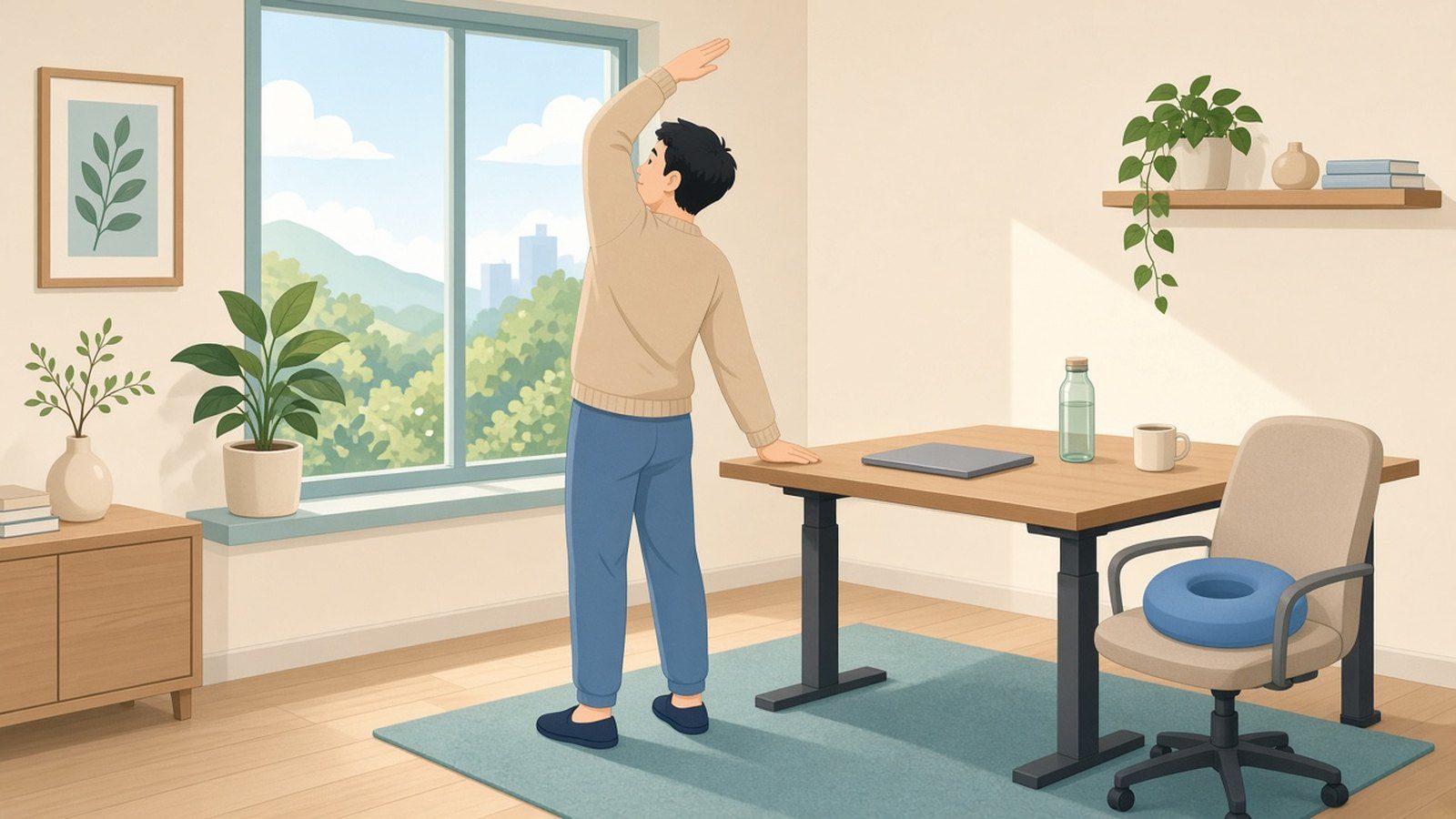
For day-to-day care, you can drink more water, avoid sitting for long periods, stay regularly active, and cut down on coffee, alcohol and spicy food and drinks that may irritate the bladder. A warm sitz bath may help you relax when you have pain. You do not need to avoid sex completely during symptoms, but if ejaculation makes the pain worse, talk with your doctor.
Can I buy medicine or supplements for prostatitis myself?
This is not recommended. Bacterial and non-bacterial prostatitis are handled very differently, and taking antibiotics on your own may hide symptoms. As for supplements, there is currently not enough research to show that they work for most people. Talk with your doctor before using any product.
When to Get Care Quickly for Prostatitis
Symptoms of prostatitis can look like bladder problems, urinary tract infections, an enlarged prostate and even prostate cancer, so it is a good idea to see a doctor for any of these symptoms. Get care quickly in any of these situations:
You cannot pass urine at all, or the stream becomes very thin and weak: go to a doctor right away; see also urinary retention (Chinese page).
Burning when passing urine, frequent urination or sudden urgency together with fever and chills.
Blood in the urine, or clear severe pain in the lower belly or urinary tract.
Symptoms have not improved after about two days of antibiotics, or have become worse.
Signs that an infection may be spreading, such as confusion, slurred speech, pale or bluish skin or cold sweats: go to the emergency department right away, and call your local emergency number if you cannot get there safely.
Symptoms last more than three months, or keep coming back and affect sleep, work and daily life.
Bacterial prostatitis needs antibiotics, so waiting is not recommended. Symptoms of chronic prostatitis may come and go, but long-lasting discomfort should be checked by a doctor, who will decide how to manage it.
Prostatitis can cause painful ejaculation or sexual problems and may affect nearby reproductive organs, and in a few cases further assessment is needed. If it affects your sex life or you are trying for a baby, talk with your doctor.
Prostatitis and prostate cancer are different diseases, but their symptoms can be similar, and the symptoms of prostatitis can also be a sign of a more serious disease. A doctor needs to tell them apart, so do not decide on your own.
Most chronic prostatitis is not caused by bacteria, so antibiotics do not help in these cases. Treatment focuses on controlling symptoms, including physical therapy, relaxation and lifestyle changes, and needs patience and discussion with your doctor.
Bacterial prostatitis usually starts to improve about two weeks after treatment begins, but full recovery can take several weeks. The length of the course is decided by the doctor according to the type and condition. Finish the course and do not stop on your own.
See a urologist. The doctor will work out the type, rule out other conditions and arrange tests; if you cannot pass urine, or have fever and chills together with clear urinary discomfort, get care quickly or go to the emergency department.
Medical information references
- NHS: Prostatitis
- NIDDK (National Institute of Diabetes and Digestive and Kidney Diseases): Prostatitis: Inflammation of the Prostate
- MedlinePlus (U.S. National Library of Medicine): Prostatitis – nonbacterial
- European Association of Urology (EAU): Guidelines on Chronic Pelvic Pain — Diagnostic Evaluation
- European Association of Urology (EAU): Guidelines on Chronic Pelvic Pain — Management
Advice from the urologist
- If you cannot pass urine, or have fever and chills together with clear urinary discomfort, get care quickly or go to the emergency department.
- Bacterial prostatitis needs a full course of antibiotics as your doctor instructs; do not stop on your own.
- Chronic prostatitis is about controlling symptoms and needs patience and discussion with your doctor; do not buy medicine or supplements on your own.
- Avoiding long periods of sitting and holding urine, drinking more water and staying regularly active can help with day-to-day care.
Prostatitis is common, but the types differ and so does the way each is handled. Do not delay because of embarrassment, and do not treat yourself with medicine. Having a urologist work out the type early is the way to get the right care. If you have perineal pain, frequent urination or burning when passing urine, it is best to be examined by a urologist.