
Painful urination means pain, stinging or a burning feeling when you pass urine; the medical term is dysuria. It is most often linked to infection or inflammation of the urinary tract, but it can also come from problems in nearby areas such as the urethra, prostate or vagina.
Some people feel stinging at the opening of the urethra while passing urine; others have a dull ache in the lower abdomen or behind the pubic bone, sometimes with frequent or urgent urination and cloudy or bloody urine. Where and when the pain occurs, and what comes with it, are important clues to the cause.
Painful urination is common and nothing to be embarrassed about. Rather than guessing the cause or buying medicines yourself, the key is to recognise which situations need prompt medical care, and then let a doctor decide on treatment based on the test results.
Key points: Painful urination is usually linked to infection or inflammation of the urinary tract, commonly cystitis, urethritis (often related to sexually transmitted infections) and prostatitis; in women it may also be related to vaginal inflammation or irritation. If it comes with fever, chills, back pain, blood in the urine or discharge from the urethra, or the pain lasts more than a day, seek medical care soon. Men, pregnant women and people with repeated episodes especially need a doctor to find the cause, and using leftover medicines on your own is not advisable.
What is painful urination? What do the location and timing of pain suggest?
Painful urination may be felt at the opening of the urethra, where urine leaves the body, or deeper inside, for example behind the pubic bone or around the bladder or prostate. The doctor usually asks whether the pain occurs when you start passing urine, during urination or continues after you finish, and whether there are other symptoms.
For example, pain with frequent and urgent urination and lower-abdominal discomfort is more often due to infection or inflammation of the bladder; if there is also discharge from the urethra or itching at its opening, urethritis needs to be considered. If you also pass urine often or wake at night to urinate, see Frequent urination and nocturia.
Is painful urination necessarily a urinary tract infection?
Not necessarily. Urinary tract infection is a common cause, but urethritis, prostatitis, interstitial cystitis, bladder spasms and bladder inflammation after pelvic radiotherapy can also cause pain on urination. In women it may also be related to changes in vaginal tissue after menopause, vaginal or vulval inflammation, or irritation from shower gels and scented products.
For this reason, taking leftover antibiotics at home is not advisable when urination is painful. An unsuitable type of medicine or way of taking it may delay finding the real cause.
What are the common causes of painful urination?
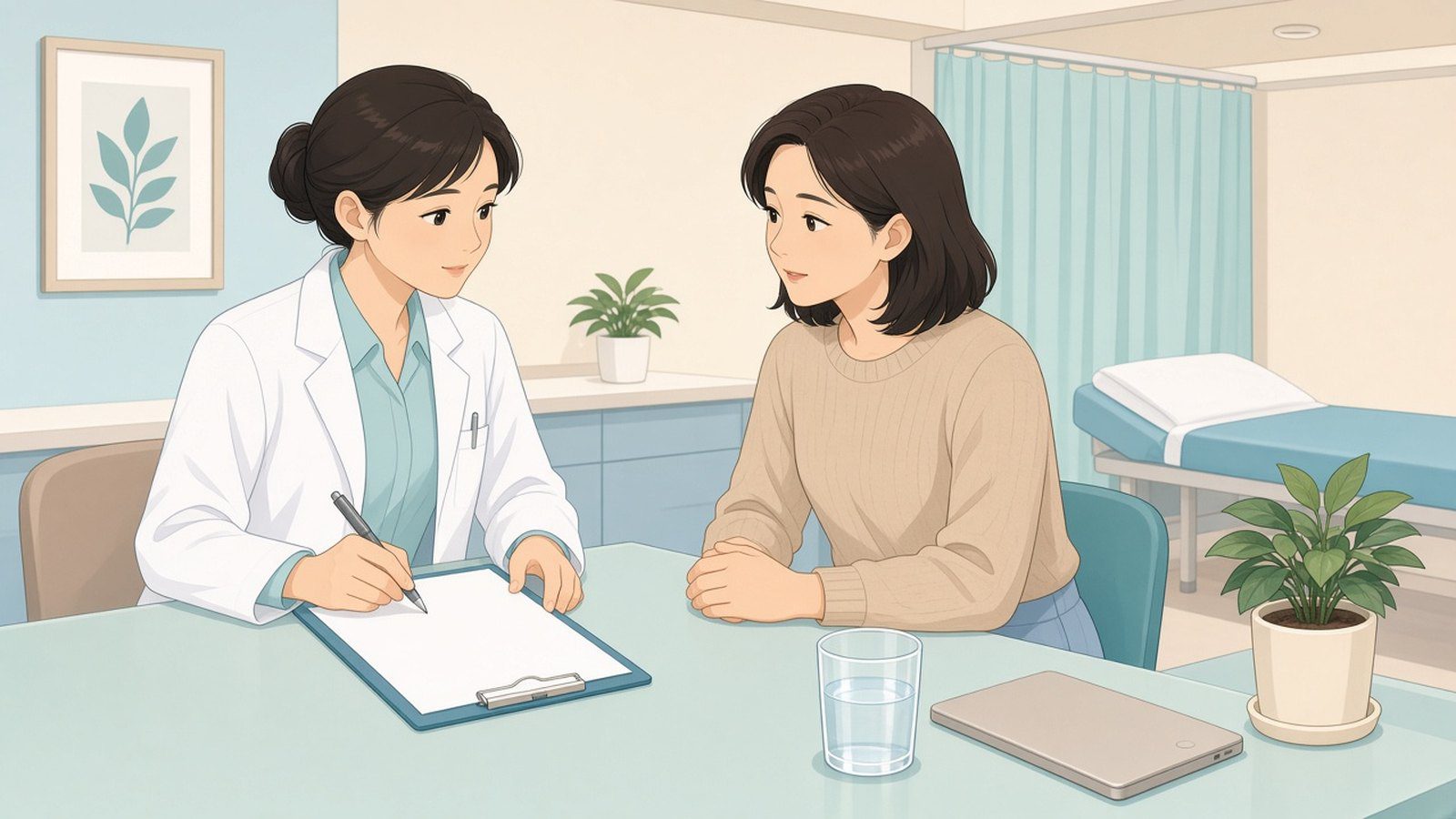
Cystitis is a common type of urinary tract infection, usually caused by bacteria entering and multiplying in the bladder. Common symptoms include burning on urination, frequent and urgent urination, lower-abdominal discomfort, and cloudy, strong-smelling or bloody urine. If you notice blood in your urine, see Blood in urine.
If the infection spreads up to the kidneys, it may cause fever, chills and pain in the back or side just below the ribs; this is called acute pyelonephritis and needs prompt medical care.
Urethritis is inflammation and swelling of the urethra and is often related to sexually transmitted infections, such as gonorrhoea or chlamydia. It may cause burning on urination, white or cloudy discharge, or stinging at the tip of the penis. When caused by a sexually transmitted infection, symptoms may appear days to weeks after sex, and some people have no symptoms at all.
In men, pain with a dull ache in the perineum, lower abdomen or pelvis may be related to prostatitis. Bacterial prostatitis and chronic pelvic pain syndrome are managed differently and need to be told apart by a doctor.
In addition, conditions that affect urination and make it harder to empty the bladder, such as urinary stones or benign prostatic hyperplasia, increase the chance of urinary tract infection; long-term use of a urinary catheter may also irritate the urethra or raise the risk of infection.
What should you watch for if painful urination comes with scrotal pain?
If urethritis is not properly treated, in a small number of cases the infection may spread down to the epididymis and cause a painful, swollen scrotum. If painful urination comes with pain in the testicles or scrotum, seek care promptly; see also Testicular pain.
| Possible cause | Common features | Possible evaluation |
|---|---|---|
| Cystitis (lower urinary tract infection) | Burning on urination, frequent and urgent urination, lower-abdominal discomfort, cloudy or bloody urine | Urinalysis or dipstick test; urine culture if needed |
| Pyelonephritis (upper urinary tract infection) | Fever, chills, pain in the back or side below the ribs; possible nausea | Prompt medical care, urine and blood tests; imaging if needed |
| Urethritis / sexually transmitted infection | Burning on urination, urethral discharge, itching at the urethral opening; may have no symptoms | Urine test, urethral discharge sample and STI testing |
| Prostatitis | Painful or difficult urination with a dull ache in the perineum, lower abdomen or pelvis; fever in acute cases | Medical history, physical examination and urine test; other assessments as needed |
| Vaginal inflammation or irritation (women) | Vulval itching, more discharge, or stinging after using scented products | Gynaecological and discharge examination according to symptoms |
| Interstitial cystitis / bladder spasms | Recurring bladder or lower-abdominal pain and urinary discomfort | Infection ruled out first, then further tests according to symptoms |
How does painful urination differ between men and women?
Women have a shorter urethra than men, so bacteria enter the bladder more easily, and cystitis is quite common in women. Pregnancy, the time after menopause, contraception that contains spermicide and wiping from back to front after using the toilet may all increase the risk. If a woman also has more vaginal discharge or vulval itching, the cause may be vaginal inflammation.
By contrast, a simple bladder infection is uncommon in men, so medical guidance generally advises men with painful urination to see a doctor, who can check whether it is related to urethritis, a sexually transmitted infection, prostatitis or difficulty emptying the bladder.
In addition, pregnant women, adults aged 65 or over, children, people with diabetes or weakened immunity, and people using a urinary catheter are advised to seek medical care soon if a urinary tract infection is suspected, rather than waiting to see if it settles.
Which tests are used to check painful urination?
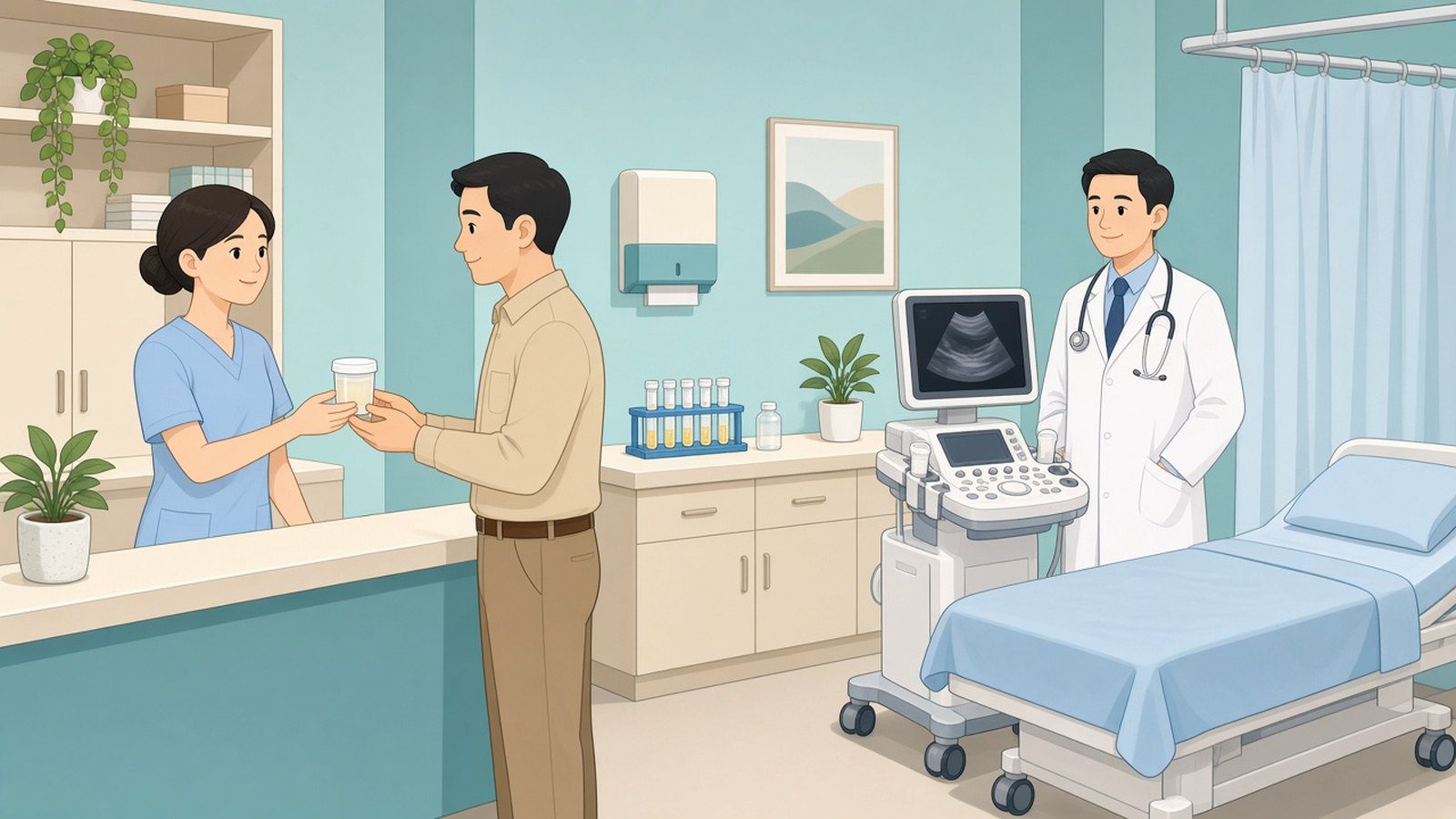
The aim of testing is to confirm whether there is an infection, find where it is and its likely cause, and rule out other problems that need treatment. The doctor chooses suitable tests based on your symptoms, sex, age and medical history.
Medical history and physical examination
The doctor will ask when the pain started, whether it hurts only when passing urine, whether there is fever or back pain, whether the urine is cloudy or bloody, whether you pass urine more often, and whether you have had urinary tract infections before, a new sexual partner recently, changed cleansing products, or had surgery or radiotherapy in the urogenital area.
Before your visit, note when the symptoms started and how they have changed, and bring a list of the medicines you are taking; women should also mention whether they could be pregnant.
Urine tests and urine culture
A urinalysis or dipstick test can give an initial indication of infection or blood in the urine. If the symptoms are atypical, keep coming back or do not improve with treatment, or an upper urinary tract infection is suspected, the doctor may arrange a urine culture to identify the bacteria and guide the choice of medicine.
If urethritis is suspected, a sample of urethral discharge may be taken, or a urine sample may be tested for sexually transmitted infections. For some tests you may be asked not to pass urine for a while beforehand so the results are more accurate; please prepare as instructed by the healthcare staff.
Ultrasound and cystoscopy
If infections keep coming back, treatment does not work as expected, or there is also blood in the urine, the doctor may arrange an ultrasound of the kidneys and bladder and, if needed, a cystoscopy to look inside the bladder and find possible causes.
| Test | Main purpose | Possible limitations |
|---|---|---|
| Medical history and physical examination | Understand the pattern of pain and accompanying symptoms to guide the next steps | Symptoms can overlap; other tests are needed as well |
| Urinalysis / dipstick test | Initial check for infection, white blood cells or blood in the urine | A normal result does not necessarily rule out urethritis or other causes |
| Urine culture | Identify the bacteria to guide the choice of medicine | Results take time; the sample must be collected as instructed |
| Urethral discharge / STI testing | Confirm whether there is urethritis or a sexually transmitted infection | Tests are chosen according to exposure history; some results take time |
| Kidney and bladder ultrasound | Assess stones, urine left after voiding or structural problems | Cannot show every small change; interpreted with clinical findings |
| Cystoscopy | Direct view of the inside of the bladder and urethra | Invasive; arranged according to clinical need |
How is painful urination treated, and how can it be prevented?
How painful urination is managed depends on the cause, not simply on relieving the pain. Treatment differs widely between causes, so it needs to be decided after a doctor’s assessment.
For a urinary tract infection caused by bacteria, the doctor decides whether antibiotics are needed; if antibiotics are prescribed, finish the whole course as directed even if your symptoms improve. If symptoms get worse quickly after starting treatment or do not improve within about two days, return for reassessment.
Urethritis usually needs antibiotic treatment, and recent sexual partners may also need testing and treatment; avoid sex until both of you have finished treatment and symptoms have cleared, so the infection is not passed back and forth. Causes such as prostatitis, interstitial cystitis or vaginal inflammation are treated and followed up according to the individual situation.

For everyday care, get plenty of rest and drink enough fluids to keep your urine pale; while you have symptoms, cut down on drinks that may irritate the bladder, such as coffee, alcohol and fruit juice. Use painkillers as advised by a doctor or pharmacist. These measures only relieve discomfort and cannot replace a medical assessment.
For prevention, drink enough water every day, do not hold in urine when you need to go, and take your time so the bladder empties as fully as possible. Wipe from front to back after using the toilet, pass urine soon after sex, wear cotton or looser underwear, and avoid scented cleansing products around the genitals. Using a condom throughout sex also helps lower the risk of urethritis and sexually transmitted infections.
What if urinary tract infections keep coming back?
Two episodes within six months, or three or more within a year, are considered recurrent urinary tract infections. A urologist can assess whether there is difficulty emptying the bladder, stones or another underlying cause, and then discuss prevention and follow-up with you; buying medicines yourself for each episode is not advisable.
When should you seek care promptly for painful urination?
Most painful urination can be assessed at a regular clinic appointment, but seek medical care soon if:
You have fever, chills or shivering, or pain in the back or side just below the ribs.
There is blood in your urine, or discharge from the penis or vagina.
Painful urination lasts more than a day, or symptoms get worse quickly after treatment or do not improve within about two days.
Painful urination occurs in men, pregnant women, older adults, children, people with diabetes or weakened immunity, or people using a urinary catheter.
If there is also confusion, unusual drowsiness or difficulty speaking, go to an emergency department straight away or call emergency services (119 in Taiwan); ask someone to go with you and do not drive yourself.
Drinking enough fluids can help ease discomfort, but it cannot replace a medical assessment. If you also have fever, back pain, blood in the urine or discharge, or the pain lasts more than a day, see a doctor so they can decide whether tests and treatment are needed.
Not necessarily. Urinary tract infection, prostatitis or difficulty emptying the bladder can also cause painful urination. If you have had a new sexual partner recently, did not use a condom throughout sex, or have urethral discharge, testing for sexually transmitted infections at the same time is advisable.
Painful urination is not necessarily caused by a bladder infection. Urethritis, for example, may need a discharge sample or STI testing, and some long-standing infections may not show up on a routine urine test. If symptoms continue, a urologist can assess other possibilities such as prostatitis or interstitial cystitis.
If you have two episodes within six months or three or more within a year, a urology assessment is advisable to look for underlying causes such as difficulty emptying the bladder or stones. Using leftover antibiotics on your own is not advisable, as it may delay finding the cause.
If urethritis or a sexually transmitted infection is suspected, avoid sex until both you and your partner have finished treatment and symptoms have cleared. Recent sexual partners may also need testing; ask your doctor about the next steps.
Ordinary painful urination can first be seen at a urology clinic. If it comes with high fever, chills, back pain or symptoms that get worse quickly, seek care promptly; if there is confusion, unusual drowsiness or difficulty speaking, go to an emergency department straight away.
Medical references
- MedlinePlus (U.S. National Library of Medicine): Urination – painful
- NHS: Urinary tract infections (UTIs)
- NIDDK (National Institutes of Health): Bladder Infection (Urinary Tract Infection—UTI) in Adults
- NHS: Urethritis
- European Association of Urology (EAU): EAU Guidelines on Urological Infections
Advice from a urologist
- If painful urination comes with fever, chills, back pain or blood in the urine, seek medical care soon rather than waiting at home.
- Men, pregnant women, older adults and people with repeated episodes who have painful urination are advised to let a doctor find the cause before deciding on treatment.
- If a sexually transmitted infection is suspected, avoid sex and get tested; recent sexual partners may also need to be assessed.
- Do not use leftover antibiotics at home; if your doctor prescribes antibiotics, finish the course as directed.
Painful urination is usually linked to infection or inflammation, but there is more than one possible cause. Paying attention to where and when it hurts and what symptoms come with it, and getting assessed early, helps find the cause and choose suitable treatment. If you have painful or burning urination, have a urologist assess you in person.