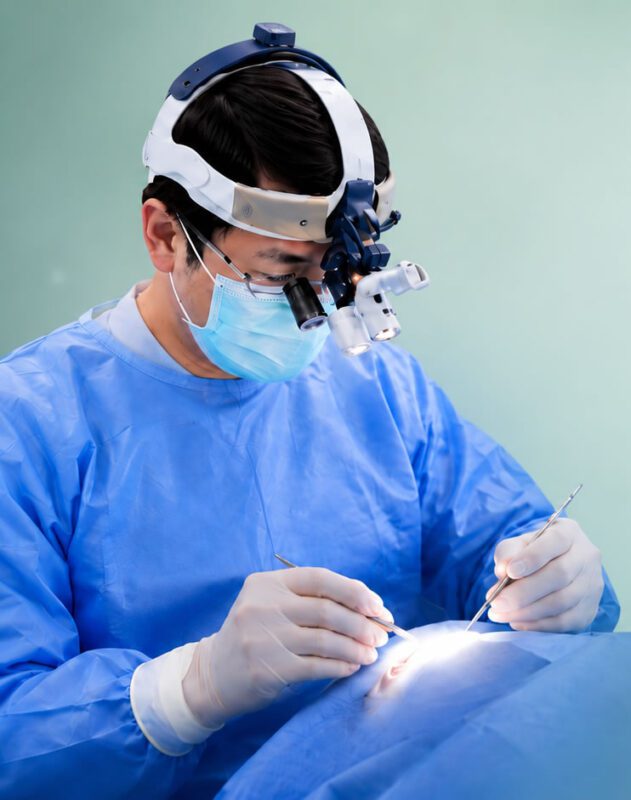
Painful ejaculation means pain or discomfort during orgasm, while semen is released, or afterwards. It may be felt in the penis, perineum, lower abdomen, scrotum or around the anus. It is most often linked to inflammation or infection of the prostate or nearby structures, or to tight pelvic-floor muscles, but it can also come from urethritis or other causes that need assessment.
Some people feel a brief sting that settles on its own; others have repeated episodes, sometimes with frequent urination, burning when passing urine, a dull ache in the perineum, or blood in the semen. When the pain occurs and what comes with it are important clues to how urgent it is and which direction to look.
Painful ejaculation is often awkward to talk about, but urology clinics see it often. The point is not to guess the cause yourself, but to recognise which situations need prompt care, and then let a doctor decide next steps based on the findings.
Key points: Painful ejaculation is commonly linked to prostatitis and chronic pelvic pain syndrome, and may also relate to urethritis, sexually transmitted infection assessment, or discomfort after vasectomy or other pelvic surgery. If you also have fever, burning on urination, blood in the semen, a dull perineal ache or a swollen painful scrotum, seek care soon. Most cases can start at a urology clinic, where the doctor uses the test results to judge the cause and what to do next.
What is painful ejaculation, and how does it differ from ordinary lower-abdominal discomfort?
Painful ejaculation specifically means pain linked to ejaculation: it may occur at climax, or continue for minutes to hours afterwards. The pain is not limited to the penis; it may also be in the perineum (between the scrotum and anus), lower abdomen, behind the pubic bone, scrotum or lower back.
If the pain comes with burning on urination, frequent or urgent urination, urinary tract or prostate problems often need assessment together; see Painful urination and Frequent urination and nocturia. If the semen looks red or has blood threads, see Blood in semen.
Is painful ejaculation necessarily prostatitis?
Not necessarily. Prostatitis and chronic pelvic pain syndrome are common directions, but urethritis, sexually transmitted infection assessment, tight pelvic-floor muscles, and pain after vasectomy or other pelvic surgery can cause a similar picture.
For that reason, buying antibiotics or finishing leftover ones at home as a trial is not advisable. Different causes need different approaches; it is safer to be examined first and then decide.
What are the common causes of painful ejaculation?
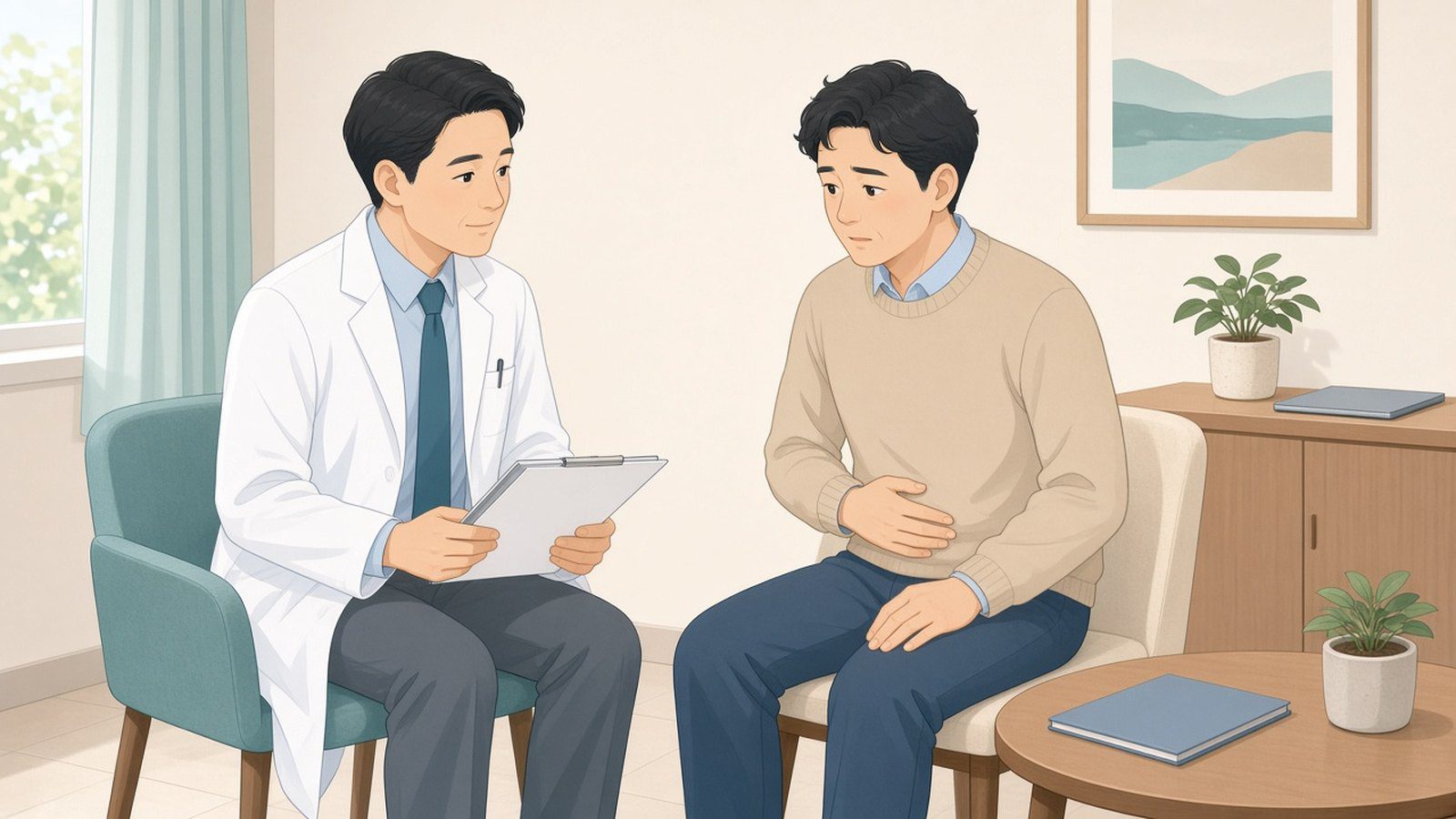
Prostatitis can cause pain during or after ejaculation, sometimes with burning on urination, frequent urination, or a dull ache in the perineum or lower abdomen. Acute bacterial prostatitis may also bring fever and chills and needs prompt medical care; chronic prostatitis or chronic pelvic pain syndrome more often presents as pelvic discomfort that keeps returning or lasts more than three months.
The exact cause of chronic pelvic pain syndrome is still not fully clear; it may relate to tight pelvic-floor muscles, nerve sensitivity, a past infection or other factors. Some people also have painful ejaculation, hesitancy when starting to urinate, or constipation and other pelvic-floor-related symptoms.
Urethritis can also cause burning or stinging during ejaculation or urination and is often linked to sexually transmitted infections such as gonorrhoea or chlamydia. There may be urethral discharge, or almost no obvious symptoms; testing is arranged according to exposure history.
After vasectomy or other pelvic or scrotal surgery, a small number of people have ongoing or returning ejaculation-related discomfort. If the scrotum is also swollen and painful, epididymitis and related problems need to be ruled out; see Testicular pain.
What should you watch for if painful ejaculation comes with blood in the semen?
Blood in the semen itself can often be watched, but if it comes with painful ejaculation, urinary symptoms, fever, or keeps coming back, a urology assessment is advisable; see also Blood in semen. If a prostate abnormality is felt, or there is a family history of prostate cancer, the doctor may also discuss prostate cancer testing.
| Possible cause | Common features | Possible evaluation |
|---|---|---|
| Acute bacterial prostatitis | Pain with ejaculation or urination, often with fever, chills, frequent and urgent urination | Seek care soon; urine tests and culture; blood tests or other assessments if needed |
| Chronic prostatitis / chronic pelvic pain | Painful ejaculation and perineal or lower-abdominal ache lasting more than three months or returning | History, physical exam and urine tests; after infection is ruled out, assess the pelvic floor and related factors |
| Urethritis / sexually transmitted infection | Burning with ejaculation or urination; possible urethral discharge | Urine or discharge testing and STI screening |
| Discomfort after vasectomy or other surgery | Ongoing or returning ejaculation-related pain after surgery | Follow-up for wound problems, infection, haematoma or chronic pain |
| Epididymitis or other scrotal problems | Ejaculation pain with a red, swollen, tender scrotum | Scrotal examination and ultrasound; infection assessment if needed |
| Tight pelvic-floor muscles | Painful ejaculation, urinary hesitancy or constipation and other pelvic-floor symptoms | After infection is ruled out, assess the pelvic floor and related care |
Which tests are used to check painful ejaculation?
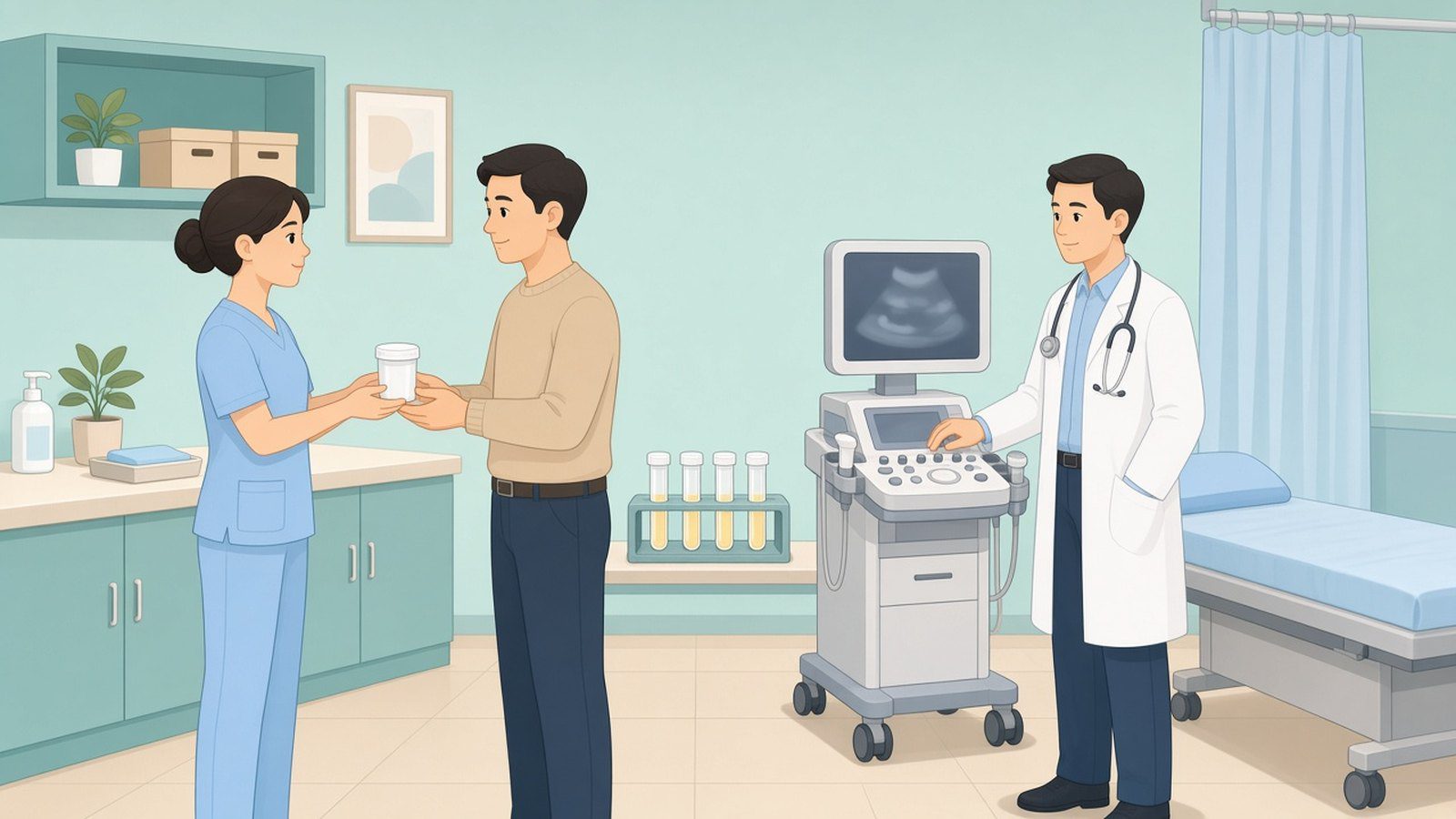
The aim of testing is to rule out infection and situations that need urgent care, then to find where the pain may be coming from. The doctor chooses suitable tests based on how long symptoms have lasted, whether there is fever, a new sexual partner or recent surgery.
Medical history and physical examination
The doctor will ask whether the pain occurs at climax or afterwards, how long it lasts, and whether there is also painful urination, blood in the semen, fever, a dull perineal ache or a swollen painful scrotum, as well as recent sexual exposure, urinary tract infection or surgery.
The physical exam may include the abdomen, scrotum and perineum; a digital rectal exam may be done when needed to check whether the prostate is swollen or tender. These steps are explained beforehand, and you can say if anything is uncomfortable.
Urine and infection-related tests
Urinalysis and culture help show whether there is a urinary tract infection; if urethritis or a sexually transmitted infection is suspected, related tests are arranged according to exposure history. For some tests you may be asked not to pass urine for a while beforehand; please prepare as the healthcare staff instruct.
Ultrasound and other assessments
If the scrotum is also swollen and painful, a scrotal ultrasound may be arranged; in chronic or complex cases residual urine, prostate ultrasound or other imaging may be considered. Tests are chosen according to clinical need; not everyone needs every test.
| Test | Main purpose | Possible limitations |
|---|---|---|
| Medical history and physical examination | Judge urgency and initially separate infection, post-surgery problems or pelvic-floor issues | Early pictures can look alike; other tests are needed as well |
| Digital rectal examination | Assess prostate tenderness, swelling or other abnormalities | May be briefly uncomfortable; cannot alone confirm every cause |
| Urinalysis and culture | Assess possible urinary tract infection or bacterial prostatitis | A normal result does not necessarily rule out chronic pelvic pain syndrome |
| Sexually transmitted infection testing | Find infections that may cause urethritis | Tests are chosen by exposure history; some results take time |
| Scrotal or prostate ultrasound | Assess scrotal swelling, structural changes or other clues | Results are read with clinical findings; not everyone needs them |
How is painful ejaculation managed, and what can help day to day?
What to do depends on the cause, not simply on relieving pain. For bacterial prostatitis or urethritis, the doctor decides whether antibiotics are needed; if antibiotics are prescribed, finish the course as directed and return if symptoms do not improve or get worse.
Chronic pelvic pain syndrome often needs time; care may include lifestyle changes, pelvic-floor assessment and other non-surgical approaches. Responses vary widely, so set goals with your doctor and follow up regularly.
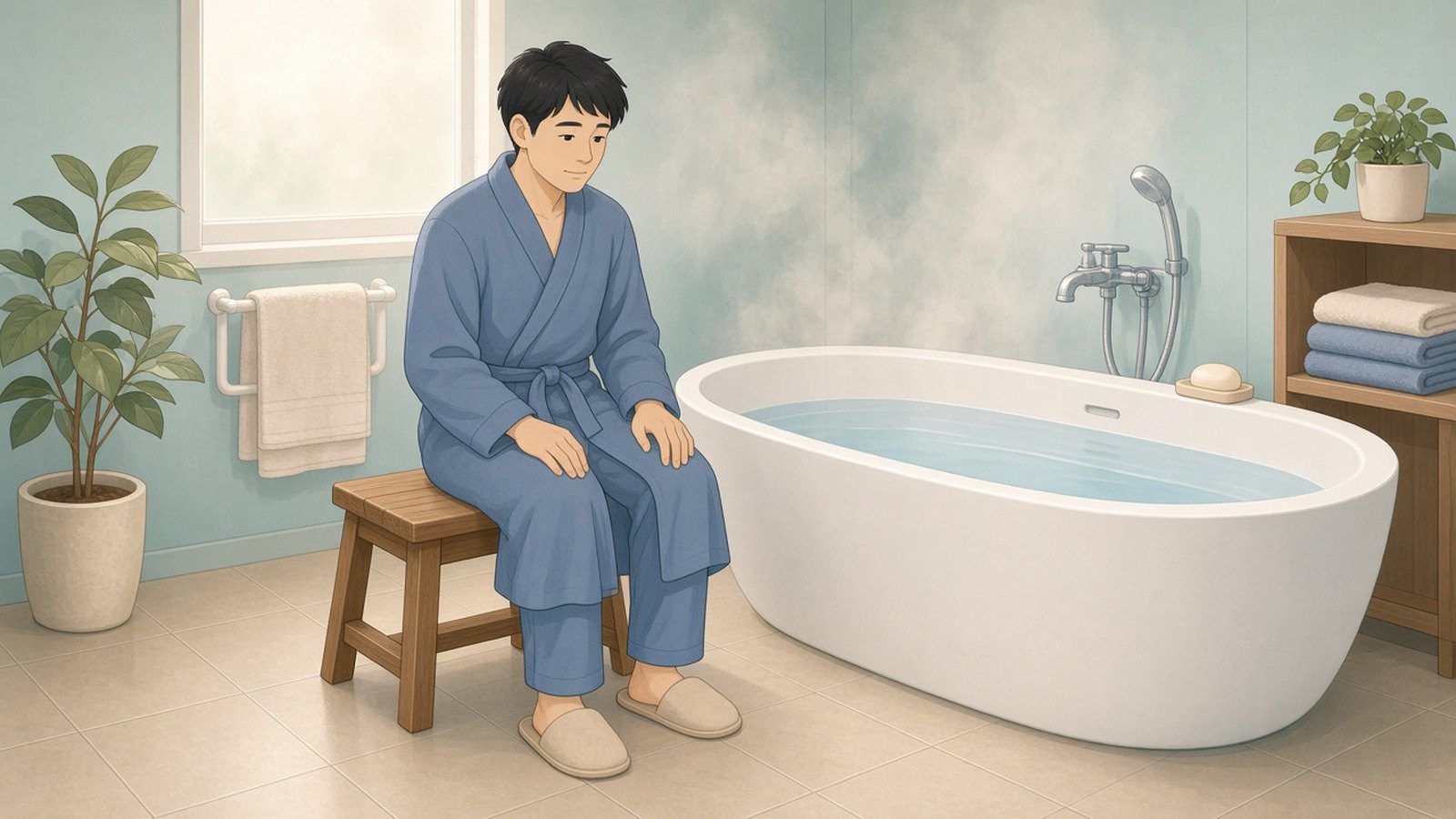
For day-to-day care, warm sitz baths may ease perineal discomfort if your doctor suggests them; cut down on long sitting, and watch drinks such as coffee and alcohol that may irritate urination. Use painkillers as advised by a doctor or pharmacist. These measures only ease discomfort and cannot replace a medical assessment.
If a sexually transmitted infection is suspected, pause sex until assessment and treatment are complete, and ask your doctor whether your partner should be checked too.
When should you seek care promptly for painful ejaculation?
Most painful ejaculation can be assessed at a urology clinic, but seek care soon if:
You have fever or chills, or painful, frequent or urgent urination that is getting worse quickly.
You cannot pass urine at all, or the lower abdomen is clearly swollen and painful.
There is clear blood in the semen or urine together with pain, fever or other new symptoms.
The scrotum is red, swollen and severely painful, or painful ejaculation keeps returning and affects daily life and intimacy.
Before your visit, note when the pain occurs, how long it lasts, whether there are urinary symptoms or blood in the semen, recent surgery or sexual contact, and the medicines you take; that helps the doctor grasp the picture faster.
Occasional, brief discomfort that settles quickly can be watched and recorded at first. If it keeps returning, gets worse, or comes with urinary symptoms, blood in the semen or a dull perineal ache, arrange a urology assessment.
Not necessarily. Prostatitis and chronic pelvic pain are also common. If you have had a new sexual partner recently, did not use a condom throughout sex, or have urethral discharge, testing for sexually transmitted infections at the same time is advisable.
Most people can gradually return to intimate life after the cause is found and managed appropriately. If pain makes you avoid sex, or you also have erection or premature-ejaculation concerns, tell the doctor at the same visit.
Short-term discomfort after surgery is fairly common and usually improves. If pain keeps getting worse, you develop fever or a red swollen scrotum, or painful ejaculation still returns months later, go back for assessment.
Depending on age, family history and accompanying symptoms, the doctor may arrange a digital rectal exam, urine tests or other assessments. Not everyone needs the same tests; the purpose is explained beforehand.
Using leftover antibiotics at home or unknown over-the-counter products is not advisable. The cause may be infection, a pelvic-floor problem or something else; being examined first and then choosing care is safer.
Medical references
- NHS: Prostatitis
- NIDDK (National Institutes of Health): Prostatitis: Inflammation of the Prostate
- MedlinePlus (U.S. National Library of Medicine): Chronic prostatitis – chronic pelvic pain syndrome
- American Urological Association (AUA): Diagnosis and Management of Male Chronic Pelvic Pain (CP/CPPS and Chronic Scrotal Content Pain): AUA Guideline
- European Association of Urology (EAU): EAU Guidelines on Urological Infections
Advice from a urologist
- If painful ejaculation comes with fever, inability to pass urine, severe scrotal pain or repeated blood in the semen, seek care soon.
- Most cases can start at a urology clinic; saying clearly what you feel, your sexual history and any surgery helps find the right direction.
- If a sexually transmitted infection is suspected, pause sex and get tested; your partner may need assessment too.
- Do not use leftover antibiotics on your own; chronic discomfort often needs time and follow-up with your doctor.
Painful ejaculation is common and worth taking seriously; there is more than one possible cause. Paying attention to when it hurts and what comes with it, and getting assessed early, helps find suitable care. If you have pain during or after ejaculation, have a urologist assess you in person.