
Urinary stones refer to solid mineral crystals that aggregate in the kidneys, ureters, bladder, or urethra. They are a common urological condition worldwide and frequently present with sudden, intense flank pain that catches individuals by surprise.
Key points: Urinary stones develop from insufficient water intake, metabolic predisposition, diet, and genetics. Cardinal symptoms include sharp unilateral flank pain and hematuria. Stones under 0.5 cm often pass spontaneously with fluids and medication, whereas larger or obstructing calculi require shock wave lithotripsy or endoscopic procedures evaluated by a urologist.
What are urinary stones, and how do kidney and ureteral stones differ?
Urinary stones encompass all mineral calculi formed within the urinary tract. Depending on their anatomical location, they are classified as kidney stones, ureteral stones, bladder stones, or urethral stones. Kidney stones form in the renal pelvis and calyces, becoming ureteral stones once they migrate into the narrower ureter.
While within the kidney, non-obstructing stones often cause no pain and are discovered incidentally during routine ultrasounds or X-rays. However, once a stone dislodges into the narrow ureter (diameter 3-4 mm), it causes acute urinary obstruction and smooth muscle spasms, triggering agonizing renal colic.
Bladder and urethral stones often present with lower urinary tract irritation, intermittent flow, painful urination, or acute urinary retention, particularly in men with benign prostatic hyperplasia and post-void residual urine.
What are the common symptoms, and which red flags require emergency care?
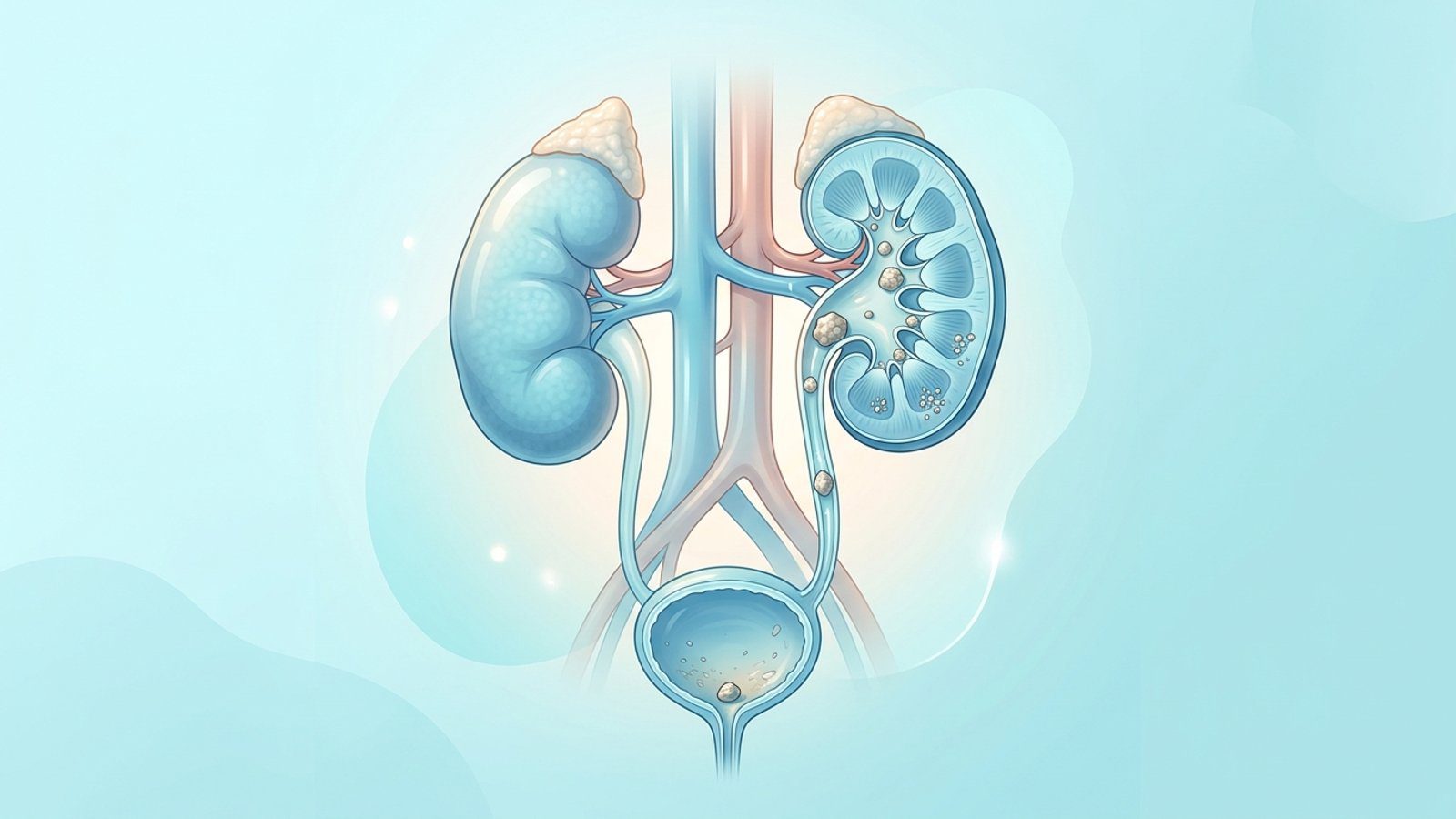
Symptoms depend heavily on stone location, size, and degree of obstruction. When an attack strikes, its presentation is typically unmistakable.
Classic manifestations include sudden unilateral flank or lower abdominal cramping pain radiating toward the groin, hematuria (pink, red, or microscopic blood in urine), nausea, vomiting, and urinary urgency.
Crucially, if severe flank pain is accompanied by high fever, chills, confusion, or complete inability to pass urine, it indicates acute obstruction complicated by severe pyelonephritis or urosepsis. This is a medical emergency requiring immediate emergency department care.
If you notice pink or red discoloration in your urine, refer to Hematuria Causes and Tests; if you also experience frequent bathroom trips, read our guide on Frequent Urination and Nocturia Causes.
Why do stones form? Key risk factors and dietary habits
Stone formation occurs when urine becomes supersaturated with crystalline minerals like calcium oxalate, calcium phosphate, or uric acid, leading to crystallization and growth. Insufficient hydration is the primary trigger.
Common predisposing factors include inadequate fluid intake, hot humid weather, excessive dietary sodium, high intake of animal protein or oxalate-rich foods (such as concentrated tea and spinach), hyperuricemia, and a positive family history.
Underlying conditions like primary hyperparathyroidism, recurrent urinary tract infections (favoring struvite staghorn calculi), and prolonged immobilization also significantly elevate stone incidence.
How are urinary stones diagnosed in clinical practice?
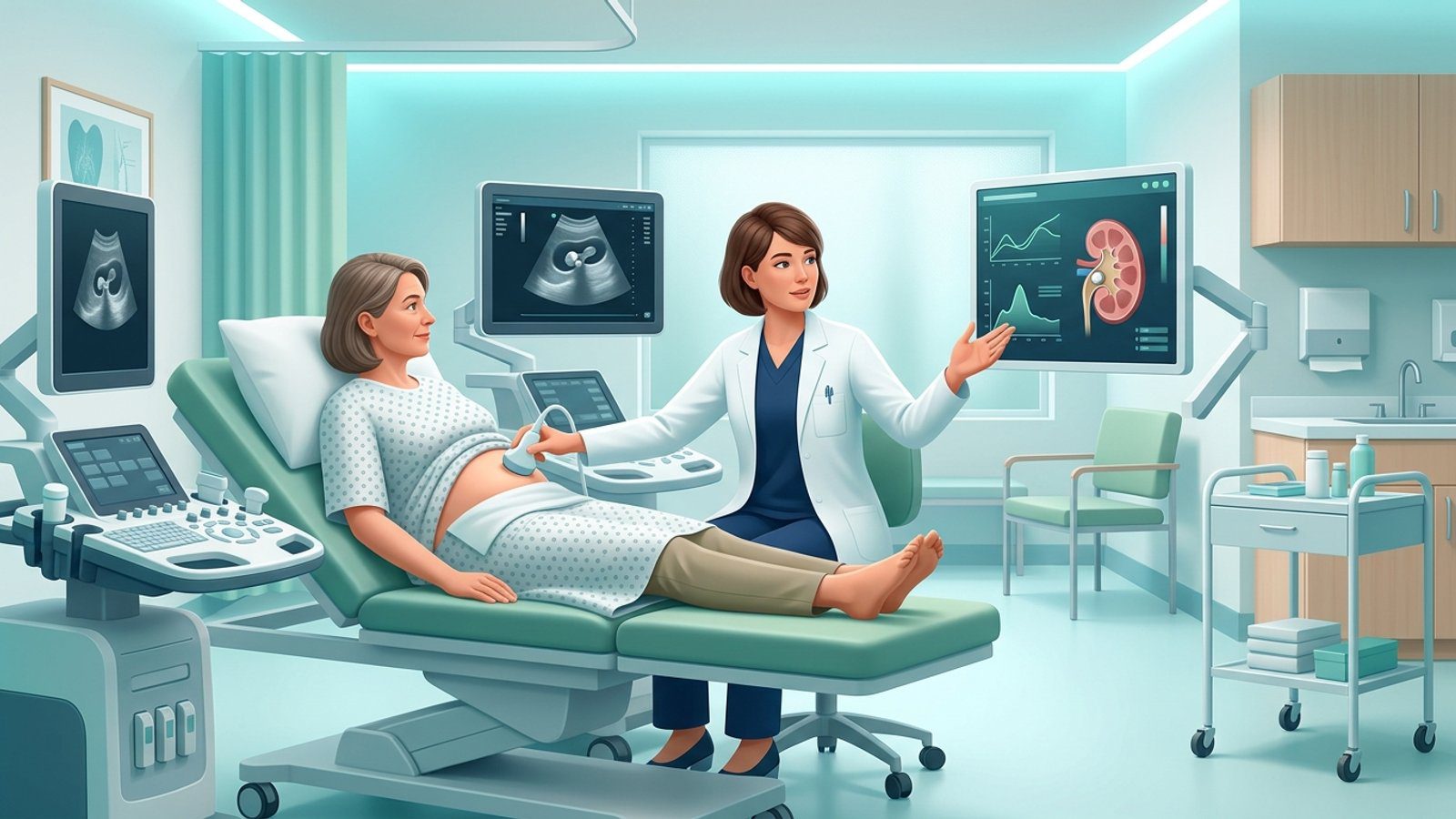
When evaluating suspected stones, urologists utilize detailed clinical history alongside systematic diagnostic imaging to identify stone location, dimensions, quantity, and hydronephrosis.
Urinalysis rapidly detects microscopic hematuria, leukocytes, and crystalline sediment. Plain abdominal radiography (KUB) visualizes radio-opaque calcium-based calculi, while renal ultrasound safely checks for hydronephrosis and renal parenchymal abnormalities.
For radiolucent uric acid stones or uncertain ureteral obstructions, non-contrast low-dose computed tomography (CT) serves as the gold-standard imaging modality with superior sensitivity and precision.
Our clinic provides high-resolution ultrasound and specialized urological diagnostics. For appointment details, see our Clinic Hours and Location.
Do all stones require surgery? Treatment options and spontaneous passage
Not all urinary stones necessitate surgical intervention. Management is tailored to stone size, location, pain severity, infection status, and renal functional preservation.
Stones under 0.5 cm without severe hydronephrosis or infection are typically managed with conservative observation and medical expulsive therapy (hydration, anti-inflammatories, and alpha-blockers), achieving a 60% to 80% spontaneous passage rate.
For stones larger than 0.5 cm or those causing persistent pain, extracorporeal shock wave lithotripsy (ESWL) or ureteroscopic laser lithotripsy (URSL/RIRS) provides minimally invasive stone clearance. Complex staghorn stones over 2 cm may warrant percutaneous nephrolithotomy (PCNL).
Learn more about how stone treatments have evolved and find answers to common voiding discomfort in our Painful Urination Causes and Care guide.
| Treatment Modality | Target Stone Characteristics | Clinical Features & Considerations |
|---|---|---|
| Conservative Expulsive Therapy | Stones < 0.5 cm without severe hydronephrosis | High hydration plus smooth muscle relaxation; follow-up monitoring for passage |
| Extracorporeal Shock Wave Lithotripsy (ESWL) | Kidney or upper ureteral stones (< 2 cm) | Non-invasive outpatient procedure; requires post-treatment fluid intake to clear fragments |
| Semirigid Ureteroscopy (URSL) | Mid to lower ureteral stones, shockwave-resistant calculi | Transurethral approach without external incisions; immediate stone breakdown and basket removal |
| Flexible Ureteroscopy & Laser (RIRS) | Renal calyceal stones, failed shock wave stones | High scope maneuverability inside the kidney; holmium or thulium laser powdering of stones |
| Percutaneous Nephrolithotomy (PCNL) | Staghorn calculi or large renal stones > 2 cm | Percutaneous tract through the flank; indicated for massive stones requiring hospital surgical care |
How can stone recurrence be prevented after treatment?
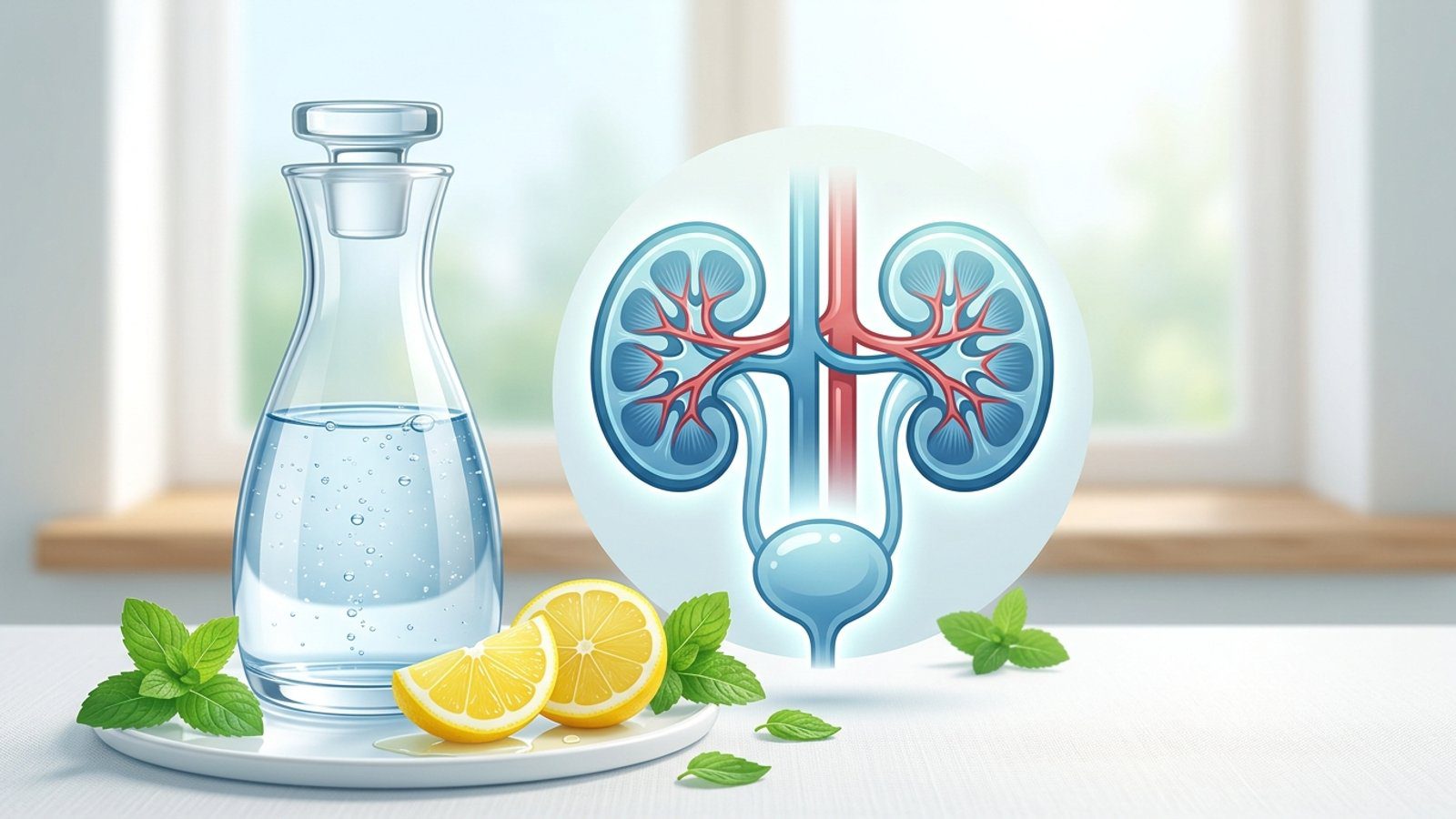
Urinary stones carry a high recurrence rate, with over 50% of patients experiencing a second stone within five years. Consistent lifestyle adjustments remain the cornerstone of long-term prevention.
Adequate hydration is the single most effective preventive measure. Adults should aim for 2.5 to 3 liters of fluid daily, maintaining urine output above 2 liters with a pale, clear appearance.
Dietary guidance emphasizes low sodium, balanced protein, and ample fruits and vegetables. Calcium restriction is strictly not recommended, as dietary calcium binds oxalate in the intestine; severe calcium avoidance actually increases free oxalate absorption and stone risk.
Clinical statistics indicate that stones smaller than 0.5 cm (5 mm) have a 60% to 80% likelihood of spontaneous passage with adequate hydration and medication. Stones exceeding 0.6 cm rarely pass naturally and generally require urological intervention.
No. You should not restrict dietary calcium. Dietary calcium binds dietary oxalate in the gut to form insoluble complexes excreted in stool. Avoiding calcium allows unbound oxalate to be absorbed, increasing urinary stone risk. Maintain normal dietary calcium.
Strongly discouraged. Complete ureteral obstruction creates high back-pressure that can irreversibly impair kidney function within weeks. If accompanied by bacterial infection, it can rapidly progress to life-threatening sepsis. Seek immediate urological care.
ESWL pulverizes large calculi into sand-like gravel. Patients must drink abundant fluids afterward to flush these tiny fragments out in the urine over several days or weeks. Follow-up imaging confirms complete clearance.
This is a myth. While alcohol has a temporary diuretic effect, its metabolism causes dehydration and elevates serum uric acid, worsening stone risks over time. Clean plain water remains the gold standard for stone expulsion and prevention.
Official Medical References
- National Institute of Diabetes and Digestive and Kidney Diseases (NIH / NIDDK): Kidney Stones Overview & Care
- National Health Service (NHS UK): Kidney Stones Symptoms & Treatment Guide
- American Urological Association (AUA): Surgical Management of Kidney Stones Guideline
- European Association of Urology (EAU): Clinical Guidelines on Urolithiasis
Urologist’s Advice
- Maintain daily fluid intake to produce 2 to 2.5 liters of pale, clear urine consistently throughout the day.
- Moderate intake of sodium and high-oxalate foods; maintain normal balanced calcium intake rather than avoiding calcium.
- Undergo prompt urinalysis and diagnostic imaging during stone episodes to confirm stone size, location, and hydronephrosis.
- Seek emergency medical evaluation immediately if severe flank pain coincides with high fever, chills, or urinary retention.
The optimal approach to urinary stones depends on stone size, anatomical position, composition, and degree of urinary obstruction. While small stones frequently pass with conservative hydration, larger or obstructing stones benefit from shock wave or endoscopic clearance. Please consult a urologist for personalized clinical evaluation.