
Seeing a layer of bubbles floating in the toilet bowl after your first morning pee can make anyone pause and wonder: is something wrong with my kidneys? In fact, most cases of foamy urine are temporary and related to urinating quickly with a strong stream or not drinking enough water. However, if the bubbles are fine, dense, do not go away for a long time, and appear every day, it is worth getting a simple urine test to check for proteinuria (protein in the urine). This plain-language guide will help you tell when it is fine to just observe and when you should see a doctor.
Is It Normal to Have Bubbles in Your Urine?
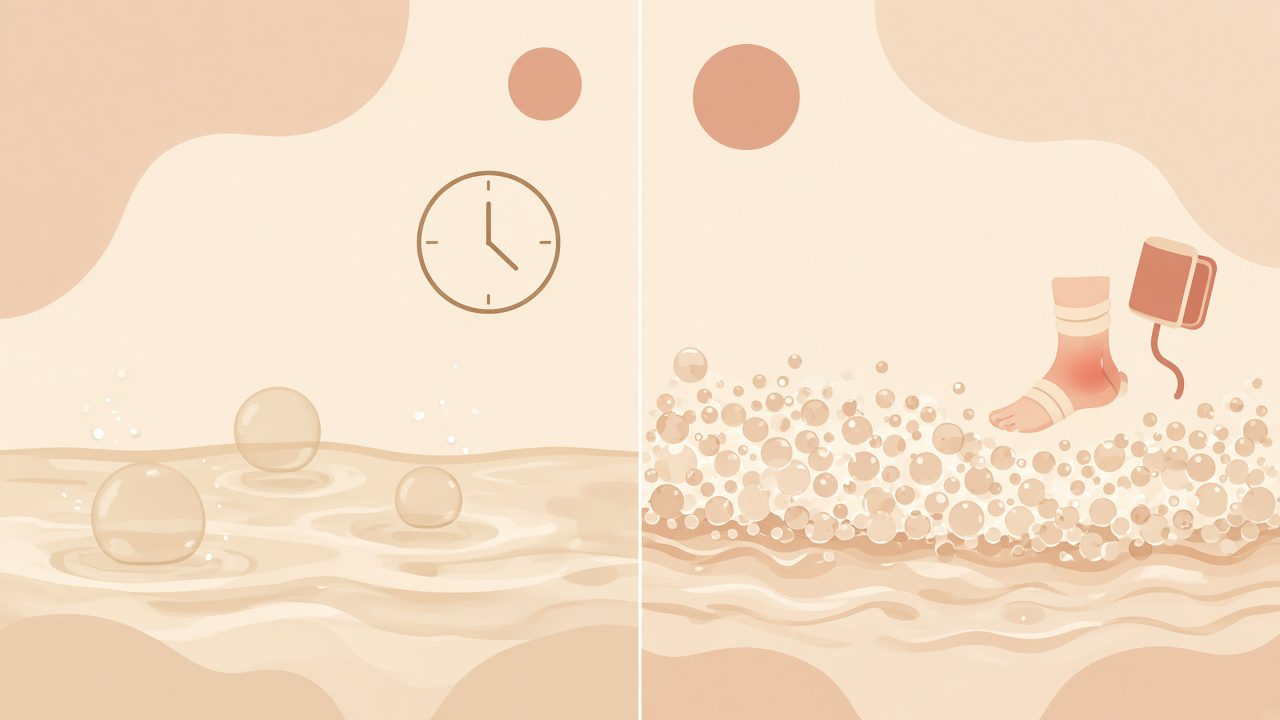
When urine hits the toilet water, it naturally traps air and creates some bubbles. These bubbles are usually larger, vary in size, and disappear on their own within a few dozen seconds to a minute or two. This is completely normal.
You should pay closer attention if the foam looks like this:
- Fine, dense bubbles that look like beaten egg whites or beer foam
- Foam that lingers for several minutes without dissipating
- Appears for several days in a row, or even every time you urinate
- Accompanied by swelling in the ankles or eyelids, unexplained weight gain, or rising blood pressure
These latter situations may mean there is an increased amount of protein in your urine, known as proteinuria.
Common Causes of Foamy Urine
Causes That Are Not Necessarily Disease
- Fast urine stream or holding urine too long: Passing a large amount of urine at once creates a strong impact, trapping more air and producing more bubbles.
- Drinking too little water and concentrated urine: Your first morning urine, or urine after heavy sweating or exercise, is more concentrated and foams more easily.
- Toilet bowl cleaners: Residual cleaning agents in the toilet bowl can foam when they mix with urine. You can tell the difference by using another toilet or flushing before you urinate.
- Strenuous exercise, fever, or dehydration: These can cause temporary, small amounts of protein in the urine, which usually resolve after resting and rehydrating.
Urinary Tract-Related Causes
- Urinary tract infection (UTI): With cystitis (bladder infection) or urethritis, urine may become cloudy, smelly, and foamy, usually accompanied by frequent urination and a burning sensation when peeing.
- Semen mixed into urine: During the first urination after ejaculation, or with retrograde ejaculation, urine may look cloudier and foamy.
- Blood in the urine (hematuria): Urine containing blood may also be foamy and appear reddish or cola-colored.
Causes That Need Medical Attention: Proteinuria and Kidney Problems
Healthy kidneys act like a fine filter that keeps protein inside the blood. When the glomeruli (the filtering units of the kidneys) are damaged, protein leaks into the urine and forms persistent, fine foam. Common related conditions include:
- Long-term poorly controlled diabetes or high blood pressure
- Kidney diseases such as glomerulonephritis
- Autoimmune diseases
- Orthostatic (postural) proteinuria, which appears in some people only after standing for a long time (usually benign, but requires confirmation by a doctor)
When Should You See a Doctor? Kidney Warning Signs to Watch For
See a doctor promptly if you notice:
- Foamy urine lasting more than one to two weeks that does not improve after drinking more water or checking at different times of day
- Swelling in the eyelids, face, ankles, or lower legs that leaves an indentation when pressed
- A noticeable decrease in urine output, or rapid weight gain over a short period
- Rising blood pressure, shortness of breath, general fatigue, or poor appetite
- Darkened urine that looks like cola or tea, or visible blood in the urine
- New foamy urine when you already have diabetes, high blood pressure, or a family history of kidney disease
Seek immediate medical care or go to the emergency room if you have:
- Inability or near-inability to pass urine, severe full-body swelling, or difficulty breathing
- High fever and chills combined with flank or side pain (which may indicate a kidney infection)
- Heavy blood in the urine or blood clots
Helpful reminder: People with diabetes or high blood pressure are advised to have regular urine and kidney function tests as scheduled by their doctor, even if they do not have foamy urine. Early kidney problems often cause no symptoms.
What Tests Are Done for Foamy Urine?
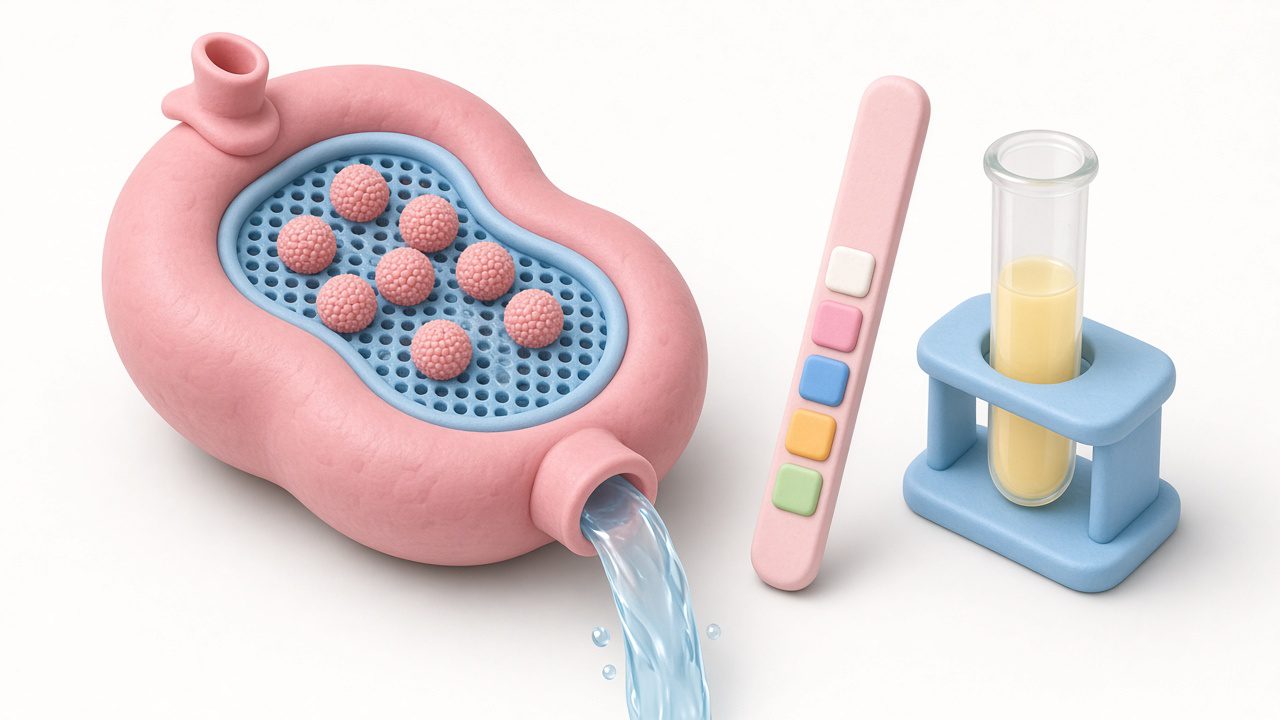
| Test | Purpose | Notes |
|---|---|---|
| Routine urinalysis (dipstick) | Initial check for urine protein, occult blood, and white blood cells | Quick and simple; results can be affected by dehydration, exercise, or infection |
| Urine protein-to-creatinine ratio (UPCR) and urine microalbumin | More accurately estimates protein loss | Can detect small amounts of albumin that standard dipsticks miss |
| 24-hour urine collection | Calculates the total amount of protein lost over a full day | Requires complete collection according to instructions |
| Blood tests | Kidney function, blood sugar, blood lipids, and albumin | Evaluates kidney function and related chronic conditions |
| Kidney ultrasound | Checks kidney size, structure, and whether stones or hydronephrosis (fluid buildup) are present | Radiation-free and commonly performed in the clinic |
Detecting protein in the urine once does not automatically mean you have kidney disease. Doctors usually repeat the test after you avoid strenuous exercise, fever, or menstruation to confirm whether it is persistent or temporary.
How Is Foamy Urine Treated?
Treatment focuses on finding the underlying cause rather than treating the bubbles themselves:
- Temporary causes: Drink plenty of water, avoid holding your urine, and rule out toilet cleaner residue, then simply observe.
- Urinary tract infection: Take appropriate medication as evaluated by your doctor and follow up to ensure your urine returns to normal.
- Proteinuria and kidney problems: Control blood sugar and blood pressure, adjust your diet, take kidney-protective medications prescribed by your doctor when necessary, and follow up jointly with a nephrologist (kidney specialist).
Everyday Care Tips
- Sip water regularly throughout the day instead of waiting until you feel thirsty
- Do not hold your urine, and relax when urinating rather than forcing the stream
- Eat a light, low-salt diet with a moderate amount of protein, and avoid taking excessive protein supplements unnecessarily
- Keep blood pressure, blood sugar, and weight under control, and quit smoking
- Do not take unverified folk remedies or supplements on your own, to avoid putting extra strain on your kidneys
- If you want to check your urine, catch a midstream sample in a clean, clear cup, which is more accurate than looking in the toilet bowl
Frequently Asked Questions (FAQ) About Foamy Urine
Not necessarily. Most foamy urine is related to a fast urine stream, concentrated urine, or toilet bowl cleaners. A urine test to check for proteinuria is recommended only if the foam is fine, lingers for a long time, and appears every day.
Morning urine becomes concentrated overnight and foams more easily, which is usually nothing to worry about. Schedule a checkup if your urine remains just as dense and foamy during the day after drinking plenty of water.
Normal bubbles usually fade within one to two minutes. If a layer of fine, dense foam remains after several minutes and keeps coming back, you should see a doctor for a urine test.
Yes. When you drink too little water, your urine becomes concentrated with a higher specific gravity, making it easier to foam. If the bubbles decrease after you rehydrate, this is usually the reason.
A small, temporary amount of urine protein can appear after strenuous exercise and usually resolves after a day or two of rest and hydration. If it persists, have it evaluated by a doctor.
If you also have frequent urination, painful urination, blood in the urine, or flank pain, you can start by seeing a urologist. If tests show persistent urine protein along with swelling or high blood pressure, follow-up with a nephrologist is often needed. When in doubt, visiting a urologist first for a simple urine test is a good place to start.
Managing proteinuria depends on the cause, with the main focus on controlling blood pressure and blood sugar and eating a light, low-salt diet. Taking unverified folk remedies or supplements on your own is not recommended, as they may increase the burden on your kidneys.
Residual semen in the urethra after ejaculation can mix with urine, making it look cloudy and foamy, which is usually normal. If this happens every time you urinate, or if it comes with a noticeable drop in semen volume, you can have a urologist evaluate it.
Medical References
- MedlinePlus (U.S. National Library of Medicine): Urine protein dipstick test
- National Kidney Foundation: Albuminuria (Proteinuria)
- NIDDK (U.S. National Institutes of Health): Chronic Kidney Disease Tests & Diagnosis
Further Reading
- What Causes Abnormal Urine Color?
- What Causes Blood in the Urine (Hematuria)?
- What Causes Cystitis (Bladder Infection)?
- What Causes Hydronephrosis (Kidney Swelling)?
- What Causes Lower Back and Flank Pain?
- What Causes Painful Urination (Dysuria)?
- What Causes Low Semen Volume?
Advice from the Urologist
There is no need to panic if you occasionally see bubbles in the toilet. Start by drinking more water, not holding your urine, and observing for a few days. However, if the foam is fine, does not go away, appears every day, or comes with swelling or rising blood pressure, please do not rely solely on internet searches—a simple urine test can quickly give you clear answers.
This article is for health education purposes only and does not replace a doctor’s diagnosis. Please seek medical attention if you feel unwell.