
Back and flank pain is a very common reason people visit a clinic. For some it is an ache after long sitting or lifting something heavy; for others it is sudden, severe pain in the side at night that brings on a cold sweat. Doctors often call one-sided pain between the upper abdomen and the back flank pain, and this is exactly where the kidneys sit.
Because this area contains muscles, the spine, the kidneys and parts of the digestive tract, back pain does not necessarily mean a kidney problem. Where the pain is, what it feels like, whether it comes in waves, and whether there is fever, blood in the urine or discomfort when passing urine are all important clues.
This article covers the common causes of back and flank pain, how to tell at first whether it may relate to the urinary system, the tests that may be arranged, and the situations that need prompt medical care.
Key points: Back pain is common and is usually related to muscle strain or posture. Pain focused on one side of the flank that comes in severe waves and spreads to the lower abdomen or groin may be a kidney stone; with fever, chills and burning when passing urine, a kidney infection should be considered. If back pain comes with high fever, blood in the urine, being unable to eat or drink, weakness or numbness in the legs, or loss of bladder or bowel control, seek care promptly or go to an emergency department (119 in Taiwan).
How is back pain different from flank pain?
What people usually call back pain is an ache in the middle or on both sides of the lower back. It often relates to muscles, ligaments, discs or posture, and tends to get worse with movement, bending or long sitting.
Flank pain is pain on one side of the body, between the lower edge of the ribs and the waist, towards the side and back. Pain here is more likely to relate to the kidneys, such as a kidney stone or kidney infection, but it can also come from muscles, bones or other organs.
Does back pain mean a kidney problem?
Not necessarily. Most back pain relates to muscles and bones rather than the kidneys; kidney-related pain usually comes with other clues, such as one-sided colicky pain, fever and chills, blood in the urine or urinary symptoms. If you cannot tell, it is better to be assessed by a doctor than to judge for yourself.
What are the common causes of back pain?
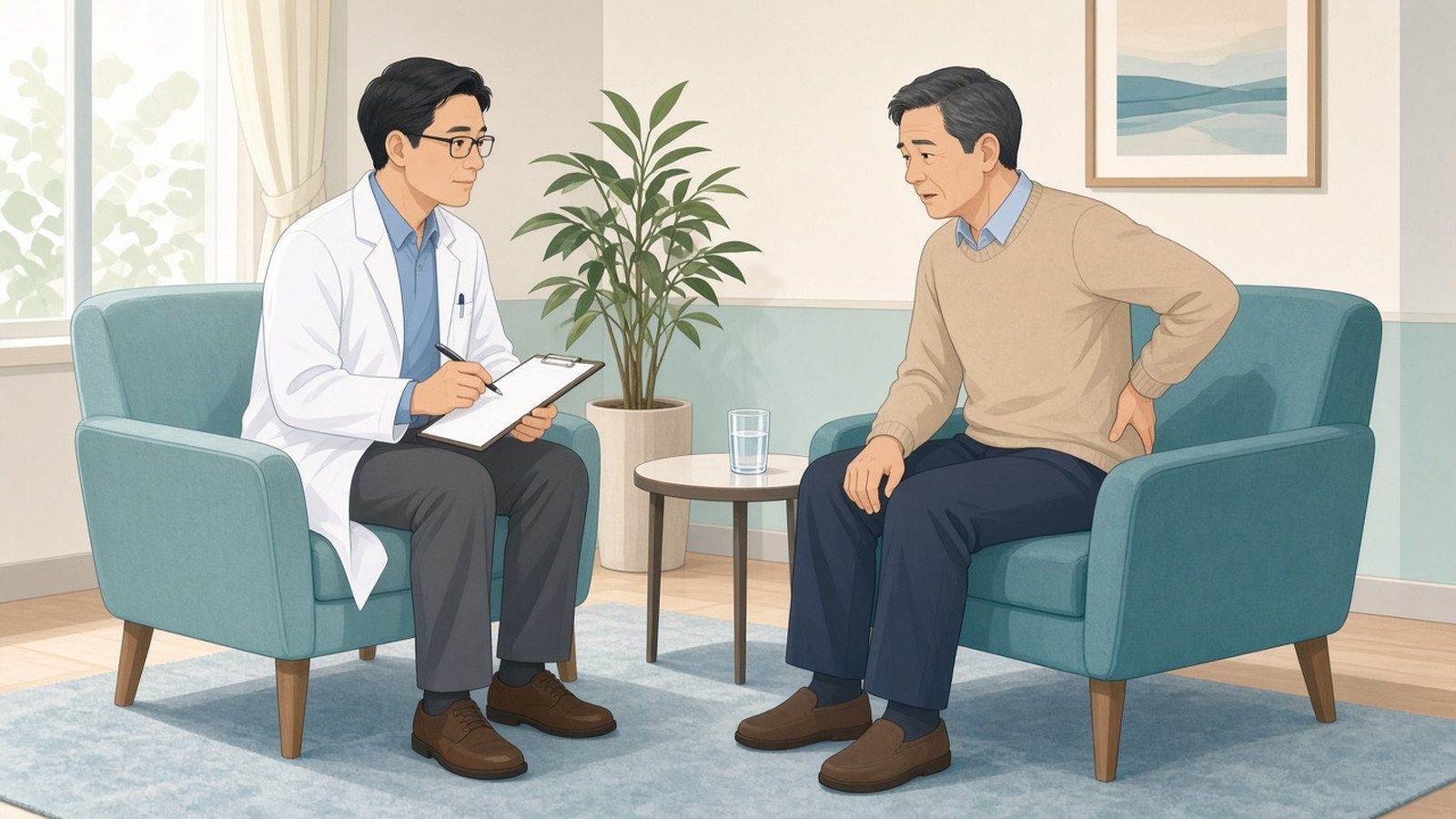
On the urinary side, pain from kidney or ureteral stones usually starts on one side of the flank and may spread to the groin, inner thigh or testicle. It comes in waves, can make it hard to sit or lie still, and often comes with nausea and vomiting or blood in the urine.
A kidney infection (acute pyelonephritis) often causes pain in the flank or the back below the ribs, together with fever, chills, nausea, and painful urination, frequent urination or dark, cloudy urine. If a kidney infection is not treated in time it can become serious, so prompt care is needed.
Less common kidney problems such as a kidney abscess can also cause flank pain. In addition, muscle strain, disc or spine problems, and some bowel or gallbladder conditions can cause back pain, and the doctor will consider these when needed.
How can stone pain be told apart from a kidney infection?
Stone pain is often severe, one-sided and comes in waves, with no comfortable position, and may spread to the groin; a kidney infection more often shows fever and chills with flank pain and urinary discomfort. When a stone occurs together with an infection, both can appear at once; this needs urgent treatment, so seek care straight away.
| Possible cause | Typical features | Possible assessment |
|---|---|---|
| Kidney or ureteral stones | Severe one-sided flank pain in waves, may spread to the groin, possibly with blood in the urine or nausea | Urine test, ultrasound or CT scan |
| Kidney infection (acute pyelonephritis) | Flank pain with fever, chills, burning when passing urine, cloudy urine | Urine test, urine culture, blood tests |
| Stone with infection | Flank pain with fever and chills, possibly less urine | Prompt medical care, urine, blood and imaging tests |
| Kidney abscess and other kidney problems | Persistent flank pain, possibly with fever | Blood tests and imaging |
| Muscle and bone problems | Worse with movement or bending, usually no fever or urinary symptoms | Physical examination, referral to a related specialty if needed |
Which tests are used for back pain?
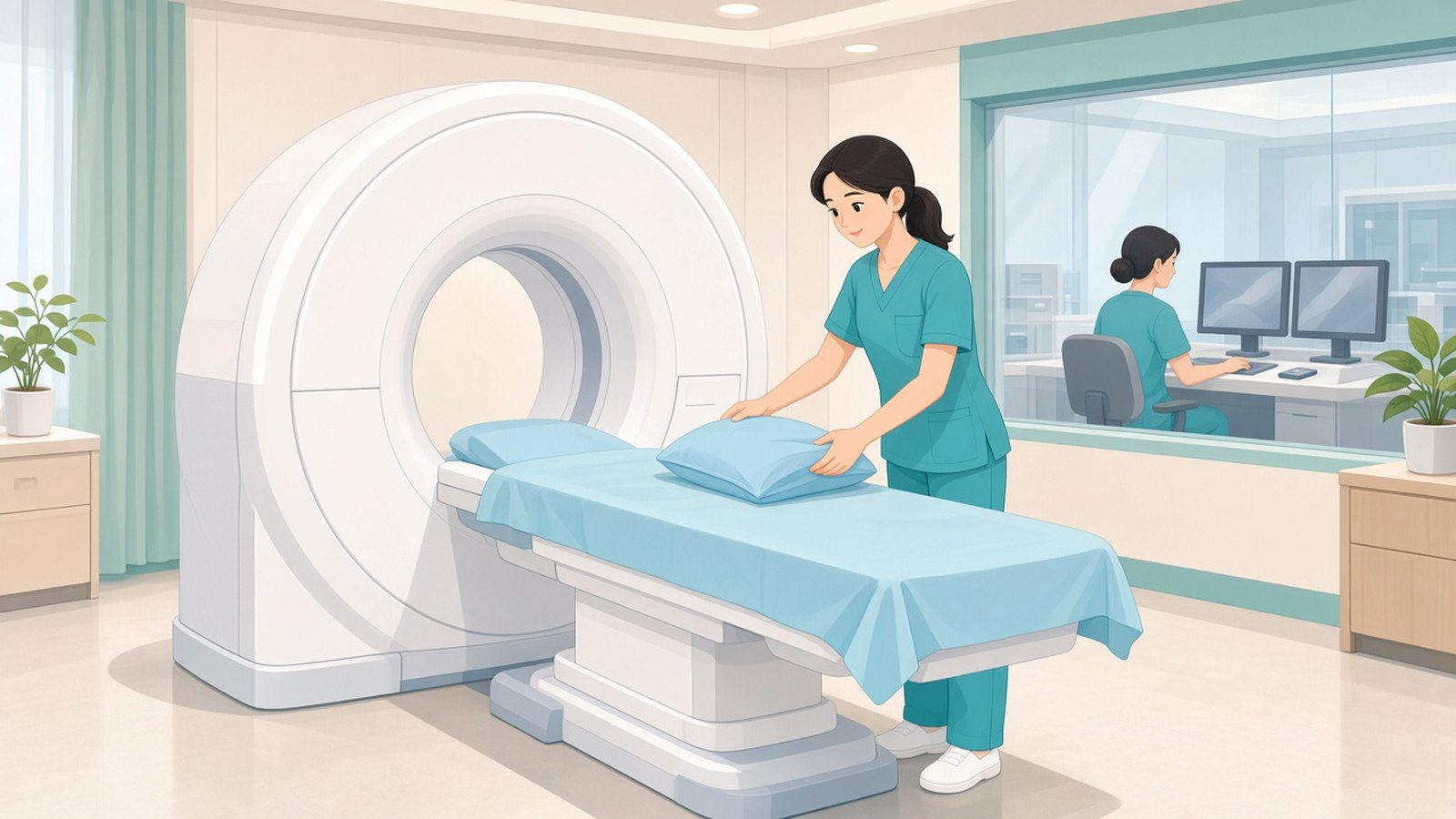
The doctor will first ask where the pain is, when it started, whether it is constant or comes in waves, whether it relates to movement or bending, what it feels like, and whether there is fever, blood in the urine, nausea and vomiting or urinary symptoms. A physical examination follows, with lab tests and imaging if needed.
Urine and blood tests
A urine test can show blood or signs of infection, and a urine culture may be added if infection is suspected; blood tests can assess kidney function, liver function and markers of inflammation. For changes in urine colour, see also the article on abnormal urine colour.
Imaging tests
Ultrasound can show whether a kidney is swollen, has fluid build-up or contains stones, and it is often used for pregnant women and children; when a stone is suspected in adults, a CT scan is often arranged to confirm its position and size. If a problem outside the urinary system is suspected, the doctor will arrange other tests or a referral as appropriate.
| Test | Main purpose | Possible limitations |
|---|---|---|
| History and physical examination | Judge the source of pain and how urgent it is | Pain from different causes can feel similar, so tests are needed |
| Urine test | Look for blood or signs of infection | A normal result does not necessarily rule out every urinary problem |
| Urine culture | Identify the bacteria causing infection | Results take time |
| Blood tests | Assess kidney function, liver function and inflammation | Need to be read together with symptoms and imaging |
| Ultrasound | Look for kidney swelling, fluid build-up or stones | Small or deeply placed stones may be hard to see |
| CT scan | Confirm stone position and size, assess other abdominal causes | Involves radiation; pregnant women need special assessment |
How is back pain managed, and what helps day to day?
Management depends on the cause. If assessment shows a muscle or bone problem, staying reasonably active is usually advised, with referral to a related specialty if needed.
Treatment of kidney stones depends on their size and position and may include pain relief, drinking more water while waiting for the stone to pass, or shock-wave or endoscopic procedures; see principles of urinary stone treatment, and for preventing recurrence, dietary advice for urinary stones. A kidney infection needs antibiotics as assessed by a doctor, and some patients need hospital treatment.

For daily care, drinking enough fluids helps prevent stones, and regular activity supports overall health; if your doctor has given you a specific fluid limit, follow their instructions.
Can I take painkillers on my own for back pain?
When the cause is unclear, taking painkillers on your own for a long time is not advised, as it may mask symptoms or delay treatment; people with kidney disease, stomach problems or who are pregnant should ask a doctor or pharmacist before taking any medicine.
When should you seek care promptly for back pain?
Most back pain can be assessed at a regular clinic visit, but seek care promptly in the following situations:
Back pain with high fever, shaking chills, or nausea and vomiting with being unable to eat or drink: this may be a kidney infection, so seek care promptly.
Severe one-sided flank pain that comes in waves, or comes with blood in the urine, clearly less urine, or no urine for a whole day.
Back pain with weakness or numbness in the legs, altered feeling around the groin, or loss of bladder or bowel control: go to an emergency department straight away (119 in Taiwan).
Flank pain with fever or urinary symptoms during pregnancy.
Back pain of unknown cause that does not go away, gets worse at night, or comes with unexplained weight loss.
Not necessarily. Kidney stone pain is often severe, one-sided and comes in waves, may spread to the groin and come with blood in the urine or nausea; most back pain relates to muscles and bones. Whether it is a stone needs to be confirmed with urine and imaging tests.
Flank pain with blood in the urine may relate to urinary problems such as stones or infection. Seek care promptly for urine and imaging tests; if you also have fever, severe pain or clearly less urine, seek care straight away.
Back pain with fever, chills or urinary discomfort may be a kidney infection. Seek care promptly, starting with a urologist; if a high fever does not settle, you cannot eat or drink, or you become confused, go to an emergency department straight away (119 in Taiwan).
Not necessarily. A simple muscle strain usually does not need one; if a stone, fluid build-up in the kidney or infection is suspected, the doctor may arrange an ultrasound or CT scan. Which tests are needed is decided by the doctor based on your symptoms.
Drinking enough fluids is one of the important habits for preventing stones, but it cannot replace assessment and treatment. If you already have severe back pain, fever or blood in the urine, see a doctor first rather than relying only on drinking more water.
Urinary tract infections are more likely during pregnancy. If flank pain comes with fever, chills or urinary discomfort, it may be a kidney infection, so seek care promptly; imaging during pregnancy is mainly ultrasound.
Medical references
- MedlinePlus (U.S. National Library of Medicine): Flank pain
- NHS: Kidney stones
- NIDDK: Symptoms & Causes of Kidney Stones
- NHS: Kidney infection
- NHS: Back pain
Advice from a urologist
- If back pain comes with high fever, blood in the urine, being unable to eat or drink, weakness in the legs, or loss of bladder or bowel control, seek care promptly or go to an emergency department (119 in Taiwan).
- Severe one-sided flank pain that comes in waves may relate to a stone; urine and imaging tests are advised to confirm it.
- When the cause is unclear, do not take painkillers on your own for a long time, as this may delay treatment.
- Regular activity, good posture and drinking enough fluids help with daily care and preventing stones.
Back pain is common and usually relates to muscles and bones, but it can also be a sign of a stone or kidney infection. Noticing where the pain is and what comes with it, and being assessed early, helps target treatment. If you have unexplained or recurring flank pain, have a urologist assess you in person.