
Urethral discharge, burning sensations during urination, and localized itching or redness at the urethral opening are cardinal signs of acute urethritis. Categorized into gonococcal and non-gonococcal forms, precise diagnostic testing is essential for targeted antibiotic therapy.
Key points: Urethritis is caused by microbial infection of the urethral mucosa, clinically divided into gonococcal urethritis (N. gonorrhoeae) and non-gonococcal urethritis (Chlamydia, Mycoplasma). Symptoms typically include burning micturition, abnormal urethral discharge, and urinary frequency. Diagnosis relies on urinalysis, urethral smears, and PCR molecular testing. Complete antibiotic adherence and concurrent partner treatment are vital to prevent recurrence and chronic complications.
What is urethritis? Gonococcal versus non-gonococcal causes and transmission

Urethritis refers to inflammation of the urethral mucosal lining resulting from bacterial or pathogen invasion. Due to anatomical differences, the male urethra is approximately 15 to 20 cm in length, typically presenting with acute, localized symptoms. In contrast, the shorter female urethra often leads to concurrent cystitis.
Clinically, urethritis is classified into two primary diagnostic categories based on the causative microorganism: gonococcal urethritis and non-gonococcal urethritis (NGU).
Gonococcal urethritis is caused by Neisseria gonorrhoeae, with an incubation period of 2 to 7 days, often producing profuse, thick yellowish-green discharge and intense urethral burning.
Non-gonococcal urethritis (NGU) is most frequently caused by Chlamydia trachomatis, followed by Mycoplasma genitalium and Ureaplasma urealyticum. Symptoms feature clear or cloudy watery discharge with a longer incubation period (1 to 3 weeks). When evaluating sexually transmitted risks, urologists also consider comprehensive screening such as syphilis screening.
Common symptoms of urethritis: discharge, burning, and gender differences
Clinical manifestations vary depending on pathogen virulence and immune response, with noticeable distinctions between men and women.
In men, the most distinctive sign is morning penile discharge staining undergarments, accompanied by sharp stinging, burning, or knife-like discomfort during micturition, as well as persistent urethral itchiness.
Inflammatory irritation frequently leads to frequent urgency with minimal urine volume. If sharp pain predominates, see painful urination causes; if frequency and nocturia severely disturb rest, refer to frequent urination and nocturia.
In women, infections often remain asymptomatic or present as mild dysuria and pelvic heaviness, frequently mistaken for simple cystitis or vaginitis. Without prompt treatment, ascending infection can elevate the risk of pelvic inflammatory disease.
How do urologists diagnose and evaluate urethritis in a clinic setting?
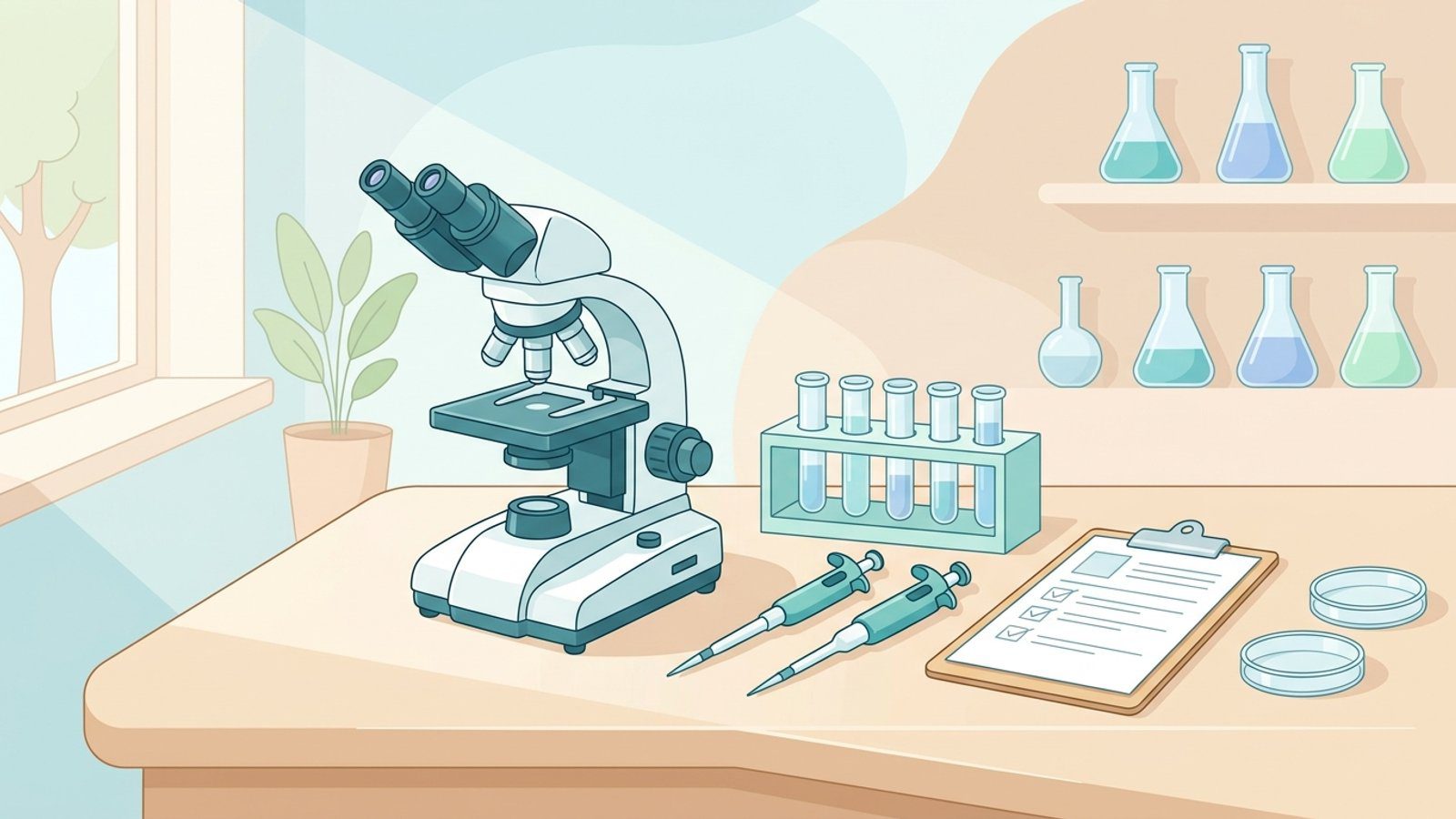
To establish an accurate diagnosis and prescribe targeted antimicrobial therapy, urological clinics conduct objective evaluations.
Urinalysis evaluates leukocyte esterase, pus cells, and red blood cells to gauge inflammatory intensity.
Urethral smear gram staining provides immediate microscopic confirmation of intracellular gram-negative diplococci.
Nucleic acid amplification testing (NAAT / PCR) delivers high diagnostic sensitivity and specificity, accurately detecting Chlamydia, Gonorrhea, and Mycoplasma even with trace bacterial loads.
Differential diagnosis is essential: pelvic heaviness or perineal aching may indicate prostatitis symptoms, while local foreskin erythema and pruritus point toward balanitis causes.
Comparing urethritis treatments: antibiotic regimens and partner therapy
Targeted and adequate antibiotic therapy forms the cornerstone of effective urethritis management, addressing potential co-infections appropriately.
Treatment protocols typically prescribe intramuscular cephalosporins (such as ceftriaxone) for gonococcal strains, combined with oral tetracyclines (such as doxycycline) or macrolides for chlamydial and mycoplasmal pathogens.
Prematurely discontinuing medication after initial symptom improvement risks inducing resistant bacterial strains and transforming acute illness into refractory chronic urethritis.
Sexual partners—even when entirely asymptomatic—frequently harbor the same pathogen. Concurrent medical evaluation and simultaneous treatment of both partners are crucial to avoid ping-pong reinfection.
| Category Aspect | Gonococcal Urethritis | Non-Gonococcal Urethritis (NGU) | Non-Specific Bacterial UTI |
|---|---|---|---|
| Primary Pathogen | Neisseria gonorrhoeae | Chlamydia, Mycoplasma, Ureaplasma | E. coli, enterococci, coliforms |
| Incubation Period | Short (typically 2-7 days) | Longer (typically 1-3 weeks) | Variable based on habits and hydration |
| Discharge Features | Copious, thick, yellowish-green pus | Scant, thin, white or clear mucus | Usually no purulent discharge, cloudy urine |
| Antibiotic Strategy | Injectable cephalosporin + oral regimen | Oral doxycycline or macrolides | Targeted oral broad-spectrum antibiotics |
| Partner Treatment | Partner screening & therapy advised | Partner screening & therapy advised | Endogenous origin; partner therapy exempt |
Daily prevention, personal hygiene, and reducing recurrence risks

Establishing healthy sexual hygiene and behavioral routines minimizes mucosal vulnerability and prevents recurrent episodes.
Consistent and correct latex condom usage remains a critical protective barrier against sexually transmitted urethritis.
Maintain daily fluid intake around 2,000 ml to naturally flush the urethral lumen and discharge adhering bacteria through regular micturition without holding urine.
Practice gentle genital hygiene with warm water before and after intimacy, avoiding harsh chemical disinfectants that disrupt natural mucosal barriers.
While urethral discharge in sexually active adults is predominantly driven by sexually transmitted pathogens such as Gonorrhea or Chlamydia, non-specific coliform bacterial infections, fungal overgrowth, urethral calculi irritation, or chemical sensitivity can also provoke similar symptoms. Accurate diagnostic testing by a urologist is essential.
Never discontinue antibiotics prematurely. Symptom relief indicates that the bulk of active pathogens has diminished, but resilient residual bacteria often persist. Failing to complete the full prescribed course fosters resistant strains, resulting in chronic urethritis, epididymitis, or prostatitis.
Sexual activity (including oral and anal sex) should be strictly avoided until the complete antibiotic regimen is finished, symptoms have fully resolved, and sexual partners have completed their respective evaluations and treatments to prevent mucosal reinjury and transmission.
Many individuals—especially women and those harboring Chlamydia or Mycoplasma—remain asymptomatic carriers. Asymptomatic carriers still transmit pathogens. Treating only one partner inevitably leads to mutual reinfection upon resuming intimacy.
Seek immediate medical attention if severe urethral pain is accompanied by high fever (above 38.5°C), rigors, acute unilateral testicular swelling with intense tenderness (acute epididymitis), severe flank pain, or complete inability to void (acute urinary retention).
Authoritative Medical References
- Centers for Disease Control and Prevention (CDC): Urethritis in Men Treatment Guidelines
- National Institute of Diabetes and Digestive and Kidney Diseases (NIH / NIDDK): UTIs Overview
- European Association of Urology (EAU): Urological Infections Clinical Guidelines
- Taiwan Centers for Disease Control (CDC): Clinical Management Guidelines for STIs
Urologist’s Advice
- Avoid self-medicating with over-the-counter antibiotics upon noticing discharge or burning, as this obscures pathogen identification.
- Urine molecular testing (PCR) and smear microscopy serve as the clinical gold standard for precise microbiological targeting.
- Always adhere strictly to the full antibiotic duration to avert chronic recurrence and resistant bacterial development.
- Both partners must undergo simultaneous examination and avoid unprotected intercourse until clinical clearance is confirmed.
Urethritis is a highly treatable clinical condition when diagnosed early and managed with targeted antimicrobial protocols. Prompt medical evaluation by a urologist safeguards your long-term urological and reproductive health without delay.