
The most common medicines for erectile dysfunction (ED) are PDE5 inhibitor tablets. If tablets are unsuitable or not effective enough, a doctor may discuss penile (intracavernosal) injections. Both are prescription treatments and should be started only after your heart health and current medicines have been reviewed.
Medication can help with erections, but it does not address every underlying cause. Diabetes, blood pressure, sleep and stress still need attention.
Key points: PDE5 inhibitors (sildenafil, tadalafil, vardenafil, avanafil) work only with sexual stimulation, and they differ in duration and food effects. Do not combine them with nitrate chest-pain medicines or riociguat. If a tablet seems ineffective, review how it was taken before discussing dose changes or injections. An erection lasting more than 4 hours needs urgent care. Please have a urologist assess you before starting treatment.
What medication options are there for ED?
There are two main groups. Oral PDE5 inhibitors are taken as tablets, while intracavernosal injection delivers a blood-vessel-relaxing drug directly into the erectile tissue of the penis.
Tablets are convenient and are often a first option after assessment. Injections act more directly but require training and regular follow-up. Testosterone is considered only when symptoms and blood tests both support low testosterone; it is not a general ED medicine.
Lifestyle changes, vacuum devices, low-intensity shockwave therapy and surgery are other options. See our overview of erectile dysfunction treatment options and common causes of ED.
How do PDE5 tablets differ?
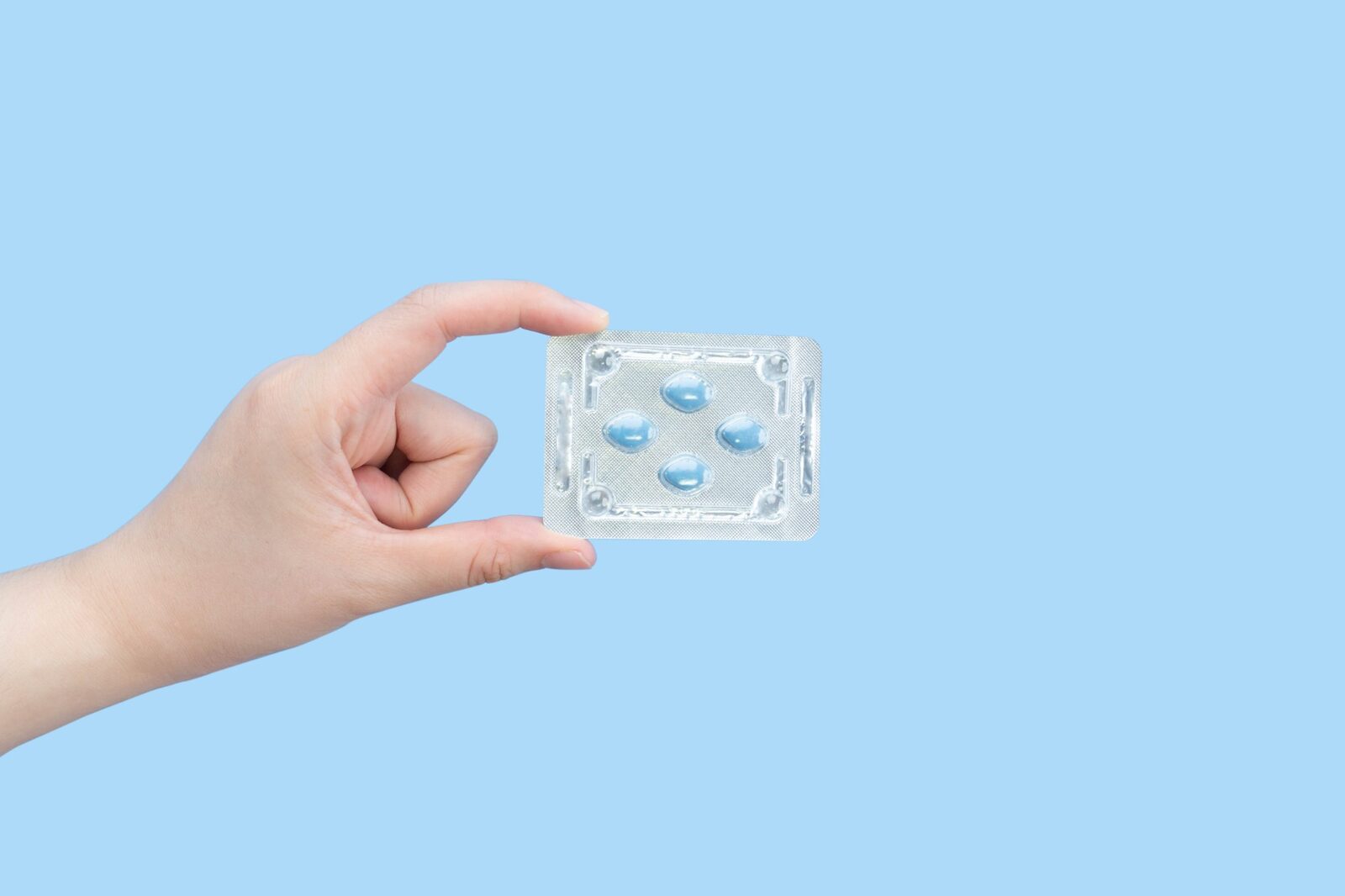
PDE5 inhibitors increase blood flow to the penis and help achieve and maintain an erection during sexual stimulation; they usually do not cause an erection on their own. Onset, duration and food effects vary. The table below is a general guide; your dose and timing should follow your prescription.
| Ingredient (common brand) | Characteristics | Notes |
|---|---|---|
| Sildenafil (Viagra) | Shorter action, used on demand | A high-fat meal may delay onset |
| Vardenafil (Levitra) | Duration similar to sildenafil | High-fat meals may affect absorption; some heart rhythm conditions need caution |
| Tadalafil (Cialis) | Longer action; daily low dose may be discussed for some | Less affected by food; may cause back or muscle aches |
| Avanafil (Spedra) | Relatively fast onset | Still needs stimulation; interactions should be checked by a doctor |
Who should not take ED tablets without medical advice?
People using nitrate chest-pain medicines (tablets under the tongue, patches), inhaled nitrites ("poppers") or riociguat must not take PDE5 inhibitors, because blood pressure may fall sharply. Anyone with a recent heart attack, stroke, unstable angina, or advice to avoid sexual activity should have a heart assessment first.
Some blood pressure medicines (especially alpha-blockers), antifungals, HIV medicines and certain antibiotics may require dose or timing adjustments. Bring a full list of your medicines and supplements to your appointment.
Products sold online or from unknown sources may contain undeclared drugs or unknown doses and are not recommended.
What are the common side effects of ED tablets?
Common effects include headache, flushing, nasal congestion, indigestion and dizziness; tadalafil may also cause back pain or muscle aches. Most are mild and settle, but persistent or bothersome symptoms should be discussed with your doctor.
Seek urgent care for an erection lasting more than 4 hours (priapism), sudden loss of vision or hearing, or chest pain or fainting after taking the medicine.
What if the tablet does not seem to work?
A poor first response is often related to taking the tablet too close to sex, a heavy fatty meal, lack of stimulation, anxiety or an insufficient dose. It is usually advised to use it correctly several times under medical guidance before judging the effect. Do not increase the dose or combine different drugs on your own.
If the response is still limited, your doctor may check blood sugar, lipids, testosterone or blood vessel function, and discuss switching medicine, adjusting the dose or combining other approaches.
Who may consider penile injections, and what are the risks?
Intracavernosal injection relaxes the blood vessels in the erectile tissue and does not rely fully on nerve signals. It may suit people who cannot take tablets, respond poorly to them, or have some nerve damage, for example after prostate surgery.
The first dose is usually given in the clinic, where the doctor confirms the dose and teaches the technique. Possible risks include pain at the injection site, bruising and prolonged erection. Frequent long-term use may cause local scarring or penile curvature in some people, so regular follow-up is needed.
If an erection lasts more than 4 hours after an injection, seek urgent care rather than waiting. Tell your doctor in advance if you take blood thinners or have a bleeding tendency.
How often should I follow up while using ED medication?
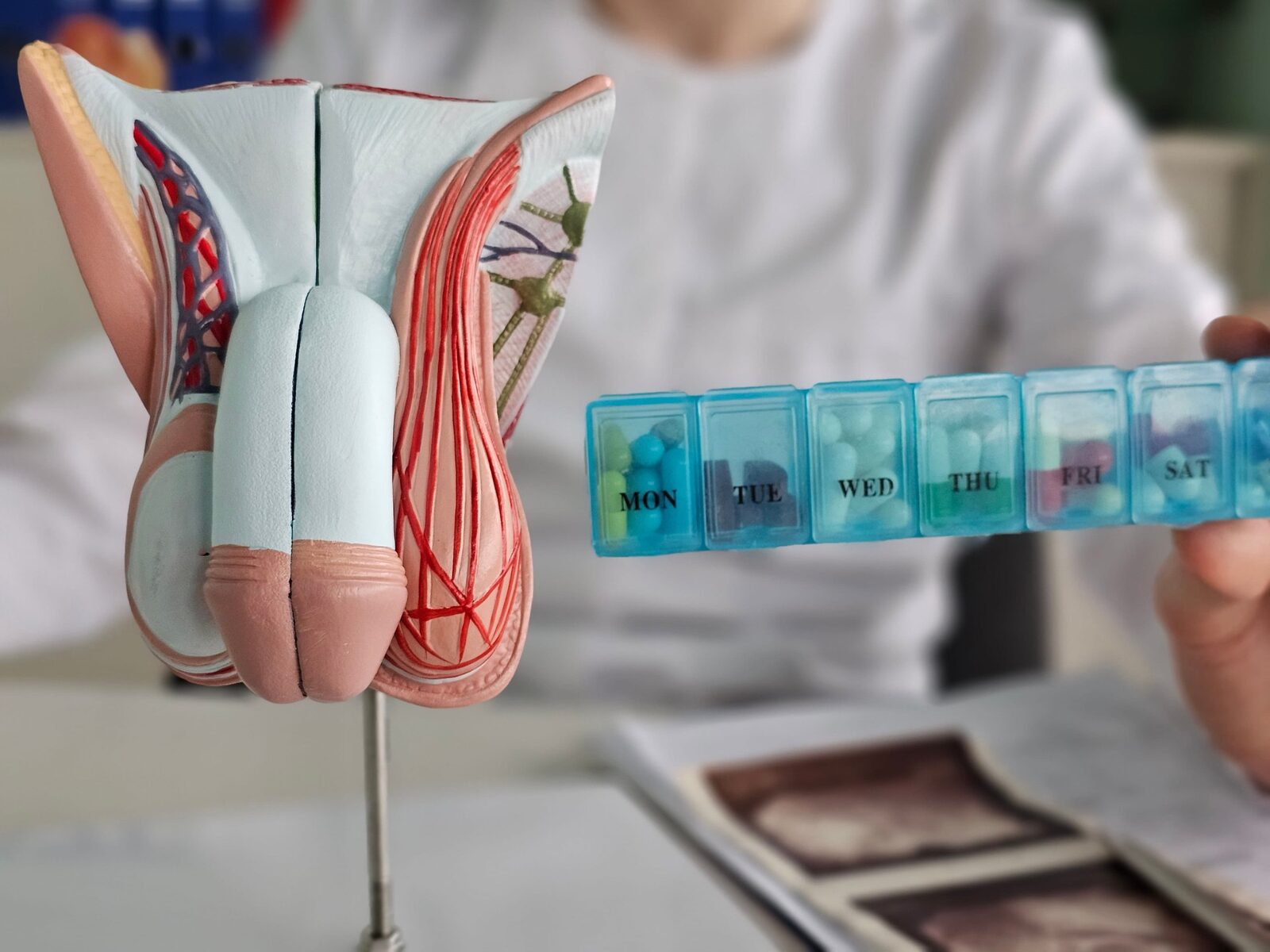
After starting or changing a dose, a follow-up visit is usually arranged to review the effect, side effects and blood pressure. Return sooner if you start new medicines, develop heart symptoms or notice a clear change in effect.
Changes in erections can be an early sign of blood vessel health. Managing chronic conditions, stopping smoking and regular exercise, together with discussing options with your doctor, can help you find a suitable plan.
In Taiwan, PDE5 inhibitors are prescription medicines. A doctor checks your heart health and other medicines to avoid dangerous interactions.
No. PDE5 inhibitors need sexual stimulation to work. An erection lasting more than 4 hours requires urgent medical care.
Neither is better for everyone. They differ in duration and food effects; the choice depends on your habits, side effects and health, and should be discussed with your doctor.
Current research has generally not observed physical dependence when used under medical supervision, but regular reviews of side effects, chronic conditions and interactions are still needed.
First check that the tablets were taken correctly and look for possible causes. If the response is still limited, your doctor may assess whether injections are suitable and teach you in the clinic.
Some people with stable heart disease may use it after assessment, but it must not be combined with nitrates. Bring your full medicine list for review by your cardiologist and urologist.
Official medical references
- NIDDK: Treatment for Erectile Dysfunction
- NHS: Erectile dysfunction (impotence)
- AUA: Erectile Dysfunction Guideline
Advice from the urologist
- ED medicines are prescription drugs. Tell your doctor about any heart condition and every medicine you use, especially nitrate chest-pain medicines.
- If the first attempt is disappointing, review timing, food and stimulation, then return for adjustment instead of increasing the dose yourself.
- Penile injections should be learned in the clinic with regular follow-up; an erection lasting more than 4 hours needs urgent care.
- Avoid products from unknown sources, and look after blood sugar, blood pressure, sleep and stress.
Medication can help with erections, but safe use starts with understanding your own health. Whether tablets or injections suit you, and how to adjust the dose, should be decided after an in-person assessment by a urologist.